Teleradiology Services Market Size, Share, Trend, Scope Report 2026 to 2035
What is Teleradiology Services Market?
Teleradiology Services Market Size is valued at USD 8.70 Bn in 2025 and is predicted to reach USD 22.56 Bn by the year 2035 at a 10.2% CAGR during the forecast period for 2026 to 2035.
Teleradiology Services Market Size, Share & Trends Analysis Distribution By Imaging Modality (CT Scan, MRI, Ultrasound, X-Ray, Others), by End User (Hospitals, Diagnostic / Imaging Centers, Ambulatory Surgical Centers, Others), by Business Model (B2B, B2C) and Segment Forecasts, 2026 to 2035
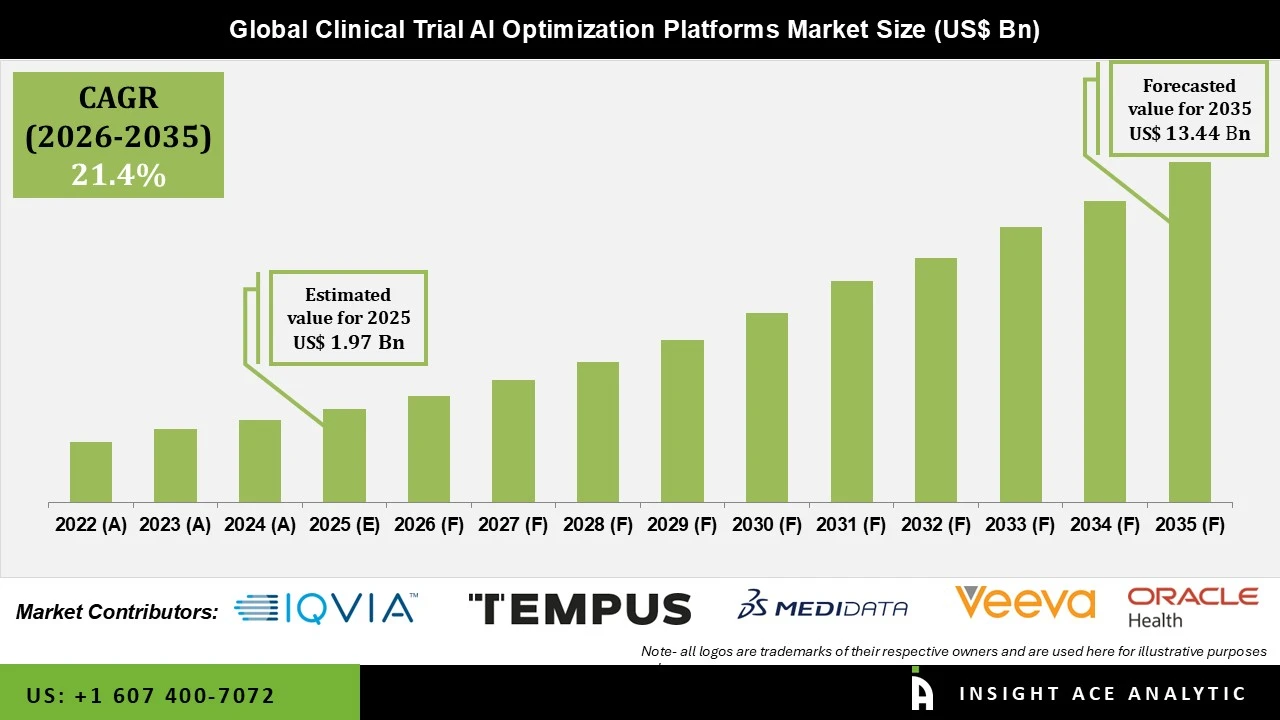
Teleradiology services are gaining significant attention across the healthcare industry as hospitals and diagnostic centers increasingly seek faster, more efficient, and cost-effective ways to manage growing imaging workloads. Teleradiology enables the electronic transmission of medical images, such as CT scans, MRI scans, X-rays, ultrasound images, and other diagnostic studies, to radiologists for remote interpretation and reporting. This capability helps healthcare providers deliver timely diagnoses, improve patient outcomes, and ensure continuous access to radiology expertise, regardless of geographic location.
A key reason for market growth is the increasing number of diagnostic imaging procedures worldwide. More people are being diagnosed with chronic diseases, cancer, heart problems, neurological issues, and musculoskeletal disorders, which has raised the need for medical imaging. Meanwhile, many healthcare systems do not have enough qualified radiologists, especially in rural or underserved areas. Teleradiology helps by giving healthcare facilities access to specialized radiologists at any time, which speeds up reporting and eases the workload for in-house staff.
The focus on emergency care and round-the-clock diagnostic support is also helping the market grow. Hospitals and imaging centers are turning to teleradiology providers for after-hours, overnight, and weekend reporting. This means urgent cases can be reviewed quickly, leading to faster decisions and better patient care. More healthcare providers are using teleradiology to work more efficiently, handle changing imaging volumes, and lower staffing costs. New technology is making the market stronger. Cloud-based platforms, artificial intelligence, machine learning, advanced PACS, and secure data-sharing tools are making radiology services faster, more accurate, and easier to access. AI tools help radiologists focus on urgent cases, work more efficiently, and feel more confident in their diagnoses. Better broadband and digital healthcare systems are also making remote image reading more reliable and available to more people.
Research and development activities, strategic partnerships, and investments in telehealth technologies are further supporting market growth. Healthcare organizations, radiology service providers, and technology companies are collaborating to expand service offerings, improve interoperability, and address increasing demand for remote diagnostic solutions. The growing acceptance of telemedicine and digital healthcare platforms is creating additional opportunities to expand teleradiology services in both developed and emerging markets. Even with strong growth, the market has some challenges. Data security and patient privacy are important, especially as providers handle a lot of sensitive information online. Rules about compliance, licensing for cross-border work, and different payment policies can make operations more complicated. It is also important to keep report quality high and make sure remote radiologists and healthcare providers communicate well.
Still, the long-term outlook for teleradiology services is very positive. More demand for diagnostic imaging, not enough radiologists, more use of telehealth, and ongoing tech advances are expected to keep the market growing. As healthcare systems focus on faster diagnoses, better efficiency, and more access to specialists, teleradiology will likely become even more important in medical imaging and patient care.
Competitive Landscape
Which are the Leading Players in the Teleradiology Services Market?
• 4ways Healthcare
• Envision Physician Services
• Everlight Radiology
• Krsnaa Diagnostics
• Medica
• ONRAD
• USARAD Holdings
• vRad
Driver
Growing Demand for Faster Diagnostic Reporting and Radiologist Shortage
A major reason for the growth of teleradiology services is the rising need for fast and accurate diagnostic reports in healthcare. Hospitals and clinics are handling more imaging procedures like CT scans, MRIs, X-rays, and ultrasounds, which puts extra pressure on their resources. Many areas, especially rural ones, do not have enough qualified radiologists. Teleradiology helps by letting healthcare providers get expert opinions and quick image readings from remote specialists, no matter where they are located. The need for round-the-clock radiology coverage is making teleradiology even more popular. Hospitals and clinics use these services for after-hours reports, emergency cases, and to manage heavy workloads. New digital imaging tools, cloud platforms, artificial intelligence, and secure data systems are making remote diagnostics faster and more reliable. As healthcare providers aim to improve patient care and run more efficiently, demand for teleradiology is likely to keep growing.
Restraint/Challenge
Data Security Concerns and Regulatory Compliance Complexities
Even though teleradiology has strong market potential, there are challenges that could slow its growth. A main concern is keeping patient information safe when it is sent over networks, so having security measures in place and proper data processing is essential. In addition, having secure systems and strong regions can pose operational challenges for service providers. Licensing requirements for radiologists, cross-border reporting restrictions, reimbursement uncertainties, and varying healthcare regulations can complicate service delivery. Maintaining consistent report quality and effective communication between remote radiologists and referring physicians also remains important for ensuring high-quality patient care. These factors may create barriers for some healthcare organisations considering large-scale implementation of teleradiology solutions.
CT Scan Segment is Expected to Drive the Teleradiology Services Market
CT scans are expected to make up a large part of the teleradiology market in the coming years. CT imaging is common in emergency rooms, trauma care, cancer treatment, heart disease diagnosis, and brain assessments. These uses create a high number of scans that need quick review. As chronic diseases become more common and the need for advanced imaging grows, more CT scans are being done around the world. Hospitals and clinics often use teleradiology to get fast CT scan reports, especially in emergencies or outside normal hours. As they keep focusing on quick diagnosis and treatment, the need for remote CT scan reading is likely to stay high.
Hospitals Segment is Expected to Drive the Teleradiology Services Market
Hospitals are expected to be the main users of teleradiology services. They produce a large number of imaging studies every day and need constant access to radiology experts for emergency rooms, inpatient care, and special treatments. Teleradiology helps hospitals provide 24/7 radiology coverage without hiring large in-house teams. More chronic diseases, higher patient numbers, and more imaging procedures are leading hospitals to use remote reporting services. Hospitals also turn to teleradiology to work more efficiently, cut down on report backlogs, and improve patient care, which helps this segment grow.
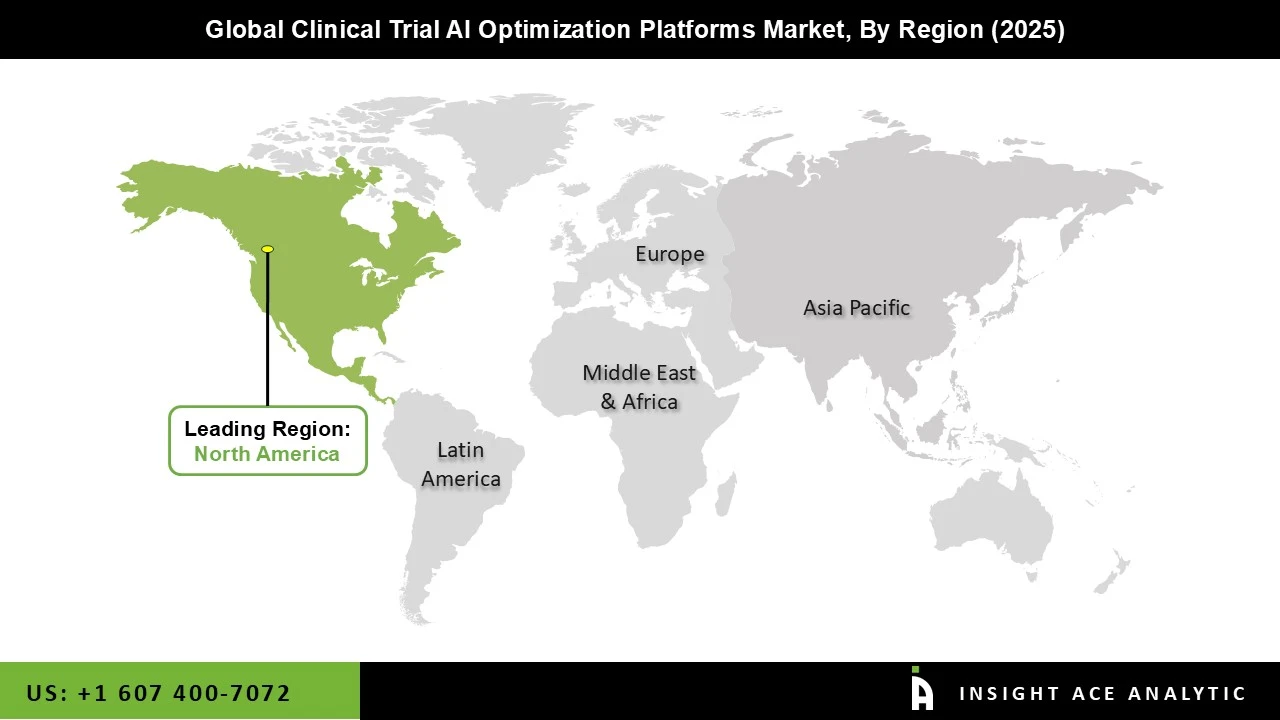
Why North America Leads the Teleradiology Services Market?
North America leads the global teleradiology market because it has advanced healthcare systems, uses digital health technologies widely, and performs many diagnostic imaging procedures. The region also benefits from high healthcare spending, strong telehealth systems, and broad use of PACS and cloud-based imaging platforms. The United States is the biggest market in North America, driven by the need for 24/7 radiology coverage, more imaging work, and not enough radiologists in some places. Healthcare providers across the region are using teleradiology more to speed up reporting, improve patient care, and handle staffing issues. North America’s market position is also strengthened by top teleradiology providers, ongoing tech innovation, and more use of artificial intelligence in radiology. With continued investment in digital healthcare and growing demand for remote diagnostics, North America is expected to stay ahead in the global teleradiology market during the forecast period.
Key Developments-
• In January 2025, ONRAD Inc. acquired Direct Radiology, expanding its remote radiology network and strengthening its teleradiology service capabilities for hospitals, radiology practices, outpatient clinics, and imaging centers.
Teleradiology Services Market Report Scope:
| Report Attribute | Specifications |
| Market size value in 2025 | USD 8.70 Bn |
| Revenue forecast in 2035 | USD 22.56 Bn |
| Growth Rate CAGR | CAGR of 10.2% from 2026 to 2035 |
| Quantitative Units | Representation of revenue in US$ Bn and CAGR from 2026 to 2035 |
| Historic Year | 2021 to 2025 |
| Forecast Year | 2026-2035 |
| Report Coverage | The forecast of revenue, the position of the company, the competitive market structure, growth prospects, and trends |
| Segments Covered | Imaging Modality, Business Model, End User and By Region |
| Regional Scope | North America; Europe; Asia Pacific; Latin America; Middle East & Africa |
| Country Scope | U.S.; Canada; U.K.; Germany; China; India; Japan; Brazil; Mexico; The UK; France; Italy; Spain; China; Japan; India; South Korea; Southeast Asia; South Korea; Southeast Asia |
| Competitive Landscape | 4ways Healthcare, Envision Physician Services, Everlight Radiology, Krsnaa Diagnostics, Medica, ONRAD, USARAD Holdings, vRad. |
| Customization Scope | Free customization report with the procurement of the report, Modifications to the regional and segment scope. Geographic competitive landscape. |
| Pricing and Available Payment Methods | Explore pricing alternatives that are customized to your particular study requirements. |
Market Segmentation:
Teleradiology Services Market by Imaging Modality -
• CT scan
• MRI
• Ultrasound
• X-Ray
• Others
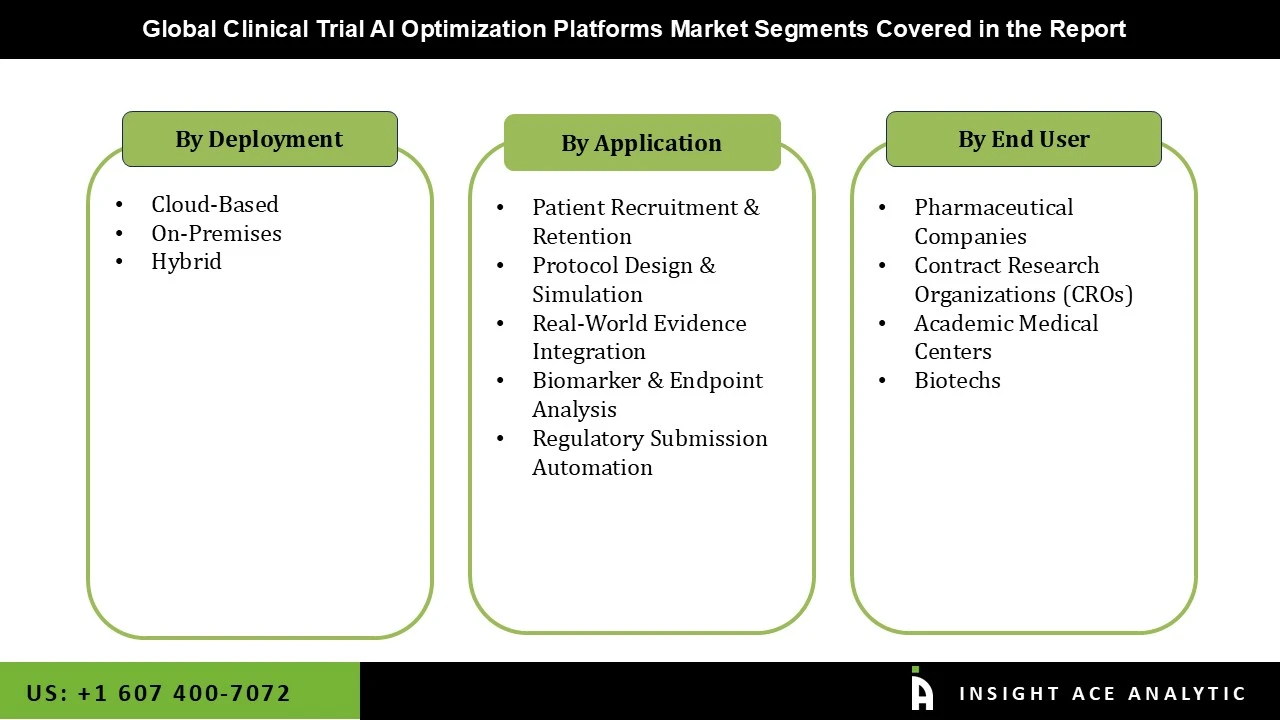
Teleradiology Services Market by End User -
• Hospitals
• Diagnostic / Imaging Centres
• Ambulatory Surgical Centres
• Others
Teleradiology Services Market by Business Model -
• B2B
• B2C
Teleradiology Services Market by Region-
North America-
• The US
• Canada
Europe-
• Germany
• UK
• France
• Nordics
• Netherlands
• Switzerland
• Spain
• Italy
• Benelux
• Rest of Europe
Asia-Pacific-
• China
• Japan
• South Korea
• Australia
• India
• Rest of APAC
Latin America-
• Brazil
• Mexico
• Chile
• Rest of LatAm
Middle East & Africa-
• GCC
• South Africa
• Rest of MEA
Research Design and Approach
This study employed a multi-step, mixed-method research approach that integrates:
- Secondary research
- Primary research
- Data triangulation
- Hybrid top-down and bottom-up modelling
- Forecasting and scenario analysis
This approach ensures a balanced and validated understanding of both macro- and micro-level market factors influencing the market.
Secondary Research
Secondary research for this study involved the collection, review, and analysis of publicly available and paid data sources to build the initial fact base, understand historical market behaviour, identify data gaps, and refine the hypotheses for primary research.
Sources Consulted
Secondary data for the market study was gathered from multiple credible sources, including:
- Government databases, regulatory bodies, and public institutions
- International organizations (WHO, OECD, IMF, World Bank, etc.)
- Commercial and paid databases
- Industry associations, trade publications, and technical journals
- Company annual reports, investor presentations, press releases, and SEC filings
- Academic research papers, patents, and scientific literature
- Previous market research publications and syndicated reports
These sources were used to compile historical data, market volumes/prices, industry trends, technological developments, and competitive insights.

Primary Research
Primary research was conducted to validate secondary data, understand real-time market dynamics, capture price points and adoption trends, and verify the assumptions used in the market modelling.
Stakeholders Interviewed
Primary interviews for this study involved:
- Manufacturers and suppliers in the market value chain
- Distributors, channel partners, and integrators
- End-users / customers (e.g., hospitals, labs, enterprises, consumers, etc., depending on the market)
- Industry experts, technology specialists, consultants, and regulatory professionals
- Senior executives (CEOs, CTOs, VPs, Directors) and product managers
Interview Process
Interviews were conducted via:
- Structured and semi-structured questionnaires
- Telephonic and video interactions
- Email correspondences
- Expert consultation sessions
Primary insights were incorporated into demand modelling, pricing analysis, technology evaluation, and market share estimation.
Data Processing, Normalization, and Validation
All collected data were processed and normalized to ensure consistency and comparability across regions and time frames.
The data validation process included:
- Standardization of units (currency conversions, volume units, inflation adjustments)
- Cross-verification of data points across multiple secondary sources
- Normalization of inconsistent datasets
- Identification and resolution of data gaps
- Outlier detection and removal through algorithmic and manual checks
- Plausibility and coherence checks across segments and geographies
This ensured that the dataset used for modelling was clean, robust, and reliable.
Market Size Estimation and Data Triangulation
Bottom-Up Approach
The bottom-up approach involved aggregating segment-level data, such as:
- Company revenues
- Product-level sales
- Installed base/usage volumes
- Adoption and penetration rates
- Pricing analysis
This method was primarily used when detailed micro-level market data were available.

Top-Down Approach
The top-down approach used macro-level indicators:
- Parent market benchmarks
- Global/regional industry trends
- Economic indicators (GDP, demographics, spending patterns)
- Penetration and usage ratios
This approach was used for segments where granular data were limited or inconsistent.
Hybrid Triangulation Approach
To ensure accuracy, a triangulated hybrid model was used. This included:
- Reconciling top-down and bottom-up estimates
- Cross-checking revenues, volumes, and pricing assumptions
- Incorporating expert insights to validate segment splits and adoption rates
This multi-angle validation yielded the final market size.
Forecasting Framework and Scenario Modelling
Market forecasts were developed using a combination of time-series modelling, adoption curve analysis, and driver-based forecasting tools.
Forecasting Methods
- Time-series modelling
- S-curve and diffusion models (for emerging technologies)
- Driver-based forecasting (GDP, disposable income, adoption rates, regulatory changes)
- Price elasticity models
- Market maturity and lifecycle-based projections
Scenario Analysis
Given inherent uncertainties, three scenarios were constructed:
- Base-Case Scenario: Expected trajectory under current conditions
- Optimistic Scenario: High adoption, favourable regulation, strong economic tailwinds
- Conservative Scenario: Slow adoption, regulatory delays, economic constraints
Sensitivity testing was conducted on key variables, including pricing, demand elasticity, and regional adoption.
Request Customization
Add countries, segments, company profiles, or extend forecast — free 10% customization with purchase.
Customize This Report →Enquire Before Buying
Speak with our analyst team about scope, methodology, pricing, or deliverable formats.
Enquire Now →Frequently Asked Questions
Teleradiology Services Market Size is valued at USD 8.70 Bn in 2025 and is predicted to reach USD 22.56 Bn by the year 2035
Teleradiology Services Market is expected to grow at a 10.2% CAGR during the forecast period for 2026 to 2035.
4ways Healthcare, Envision Physician Services, Everlight Radiology, Krsnaa Diagnostics, Medica, ONRAD, USARAD Holdings, vRad.
Teleradiology Services Market is segmented into Imaging Modality, Business Model, End User and By Region
North America region is leading the Teleradiology Services Market.