Kratom Extract Market Size, Share and Trends Analysis 2025 to 2034
Global Kratom Extract Market Size is valued at USD 227.1 Mn in 2025 and is predicted to reach USD 646.4 Mn by the year 2034 at a 12.3% CAGR during the forecast period for 2025 to 2034.
Kratom Extract Market Size, Share & Trends Analysis Distribution by Form (Extracts, Tinctures, Powder, Capsules, and Others), Strain Type (Green Vein, Red Vein, and White Vein), Distribution Channel (Online and Offline (Retail Stores, Dispensaries, Others)), and Segment Forecasts, 2025 to 2034
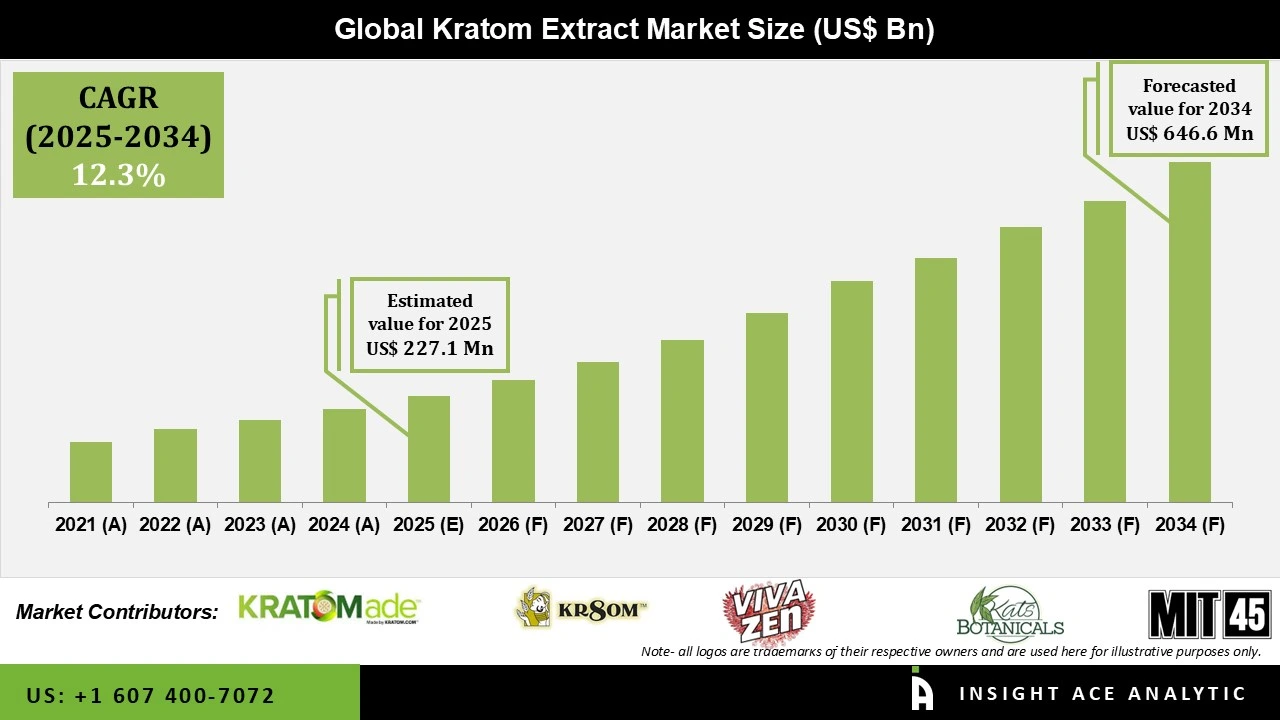
The chemicals found in the leaves of the Mitragyna speciosa tree, native to Southeast Asia, are concentrated into kratom extract. Kratom extract, which is rich in alkaloids like mitragynine and 7-hydroxymitragynine, is prized for its possible benefits, which can range from relaxation and pain relief at lower doses to energizing qualities at higher quantities. It comes in a variety of forms, such as liquid tinctures, powders, and capsules, and is usually made using methods like alcohol or water extraction. Although kratom extract is frequently used for its alleged benefits in relieving pain, enhancing concentration, or boosting mood, its usage is governed by safety and legal requirements because of worries about negative effects and reliance. The kratom extract market is expected to increase rapidly due to rising consumer awareness of its possible advantages and growing uses in the dietary supplement and wellness industries.
The demand for kratom extract, which is thought to have relaxing and pain-relieving qualities, is also being driven by the increased incidence of anxiety, chronic pain, and other health problems. The market for kratom extract is expanding as more individuals use it as a natural treatment for health problems. Additionally, the industry is growing since kratom extract products are easily accessible and available both online and in specialty shops. Customers have more options as more stores and online sellers provide a variety of kratom extract goods, which accelerates market expansion. Moreover, future market competition and pricing competitiveness will become increasingly severe due to the constant influx of new businesses and the high degree of product uniformity across them.
The market for kratom extract is expanding significantly due to rising consumer awareness and demand for natural substitutes for conventional medications. Additionally, the market is shifting toward more standardized, higher-quality products, reflecting consumers' increased need for dependable, consistent potency. Innovations in extraction techniques that yield more potent, purer products, as well as the development of new administration options beyond capsules and powders, such as tinctures and topical treatments, are further propelling the expansion. Furthermore, consumers are favoring kratom extracts that are ethically and sustainably sourced. However, the main obstacles in the kratom extracts market are the disparate regulatory environments in various areas, which lead to uncertainty and may impede market growth. Consumer perceptions and market expansion are also affected by concerns about potential side effects and a lack of thorough scientific research.
Competitive Landscape
Which are the Leading Players in Kratom Extract Market?
- MIT45
- VivaZen
- Kratomade
- Kats Botanicals
- Super Speciosa
- Kr8om
- DBZ Enterprises (K-Chill, Kryptic)
- Kraken Kratom
- Happy Hippo
Market Dynamics
Driver
Growing Use of Kratom Extracts as a Substitute of Opioids
The global kratom extract market is experiencing growth, driven primarily by rising consumer interest in plant-based and alternative pain management solutions. Increasing awareness of kratom’s perceived functional benefits such as pain relief, mood improvement, and anxiety reduction- has led to its use spreading, especially in wellness and supplement markets. North America has emerged as a major growth region, reflecting shifting consumer preferences toward natural or non-pharmaceutical options and the expansion of online retail. The ongoing opioid crisis has also boosted the market, increasing demand for new ways to manage pain and support withdrawal. Some people see kratom extract as a harm-reduction option because of its alkaloid content and how it interacts with opioid receptors, which sets it apart from traditional opioids. This has made kratom extract more popular among those looking for alternatives to prescription painkillers.
Restrain/Challenge
Side Effects Associated with Kratom Extracts
Depending on the dosage, kratom has varied effects. It has been reported to have cocaine-like stimulant effects at lower dosages (1 to 5 g) and sedative opioid-like effects at higher doses (5 to 15 g). Higher dosages increase the risk of toxidrome, which manifests as nausea, dizziness, and diaphoresis before euphoria. Both chronic use and acute overdose/toxicity might have negative consequences. In addition, tremors, frequent urination, anorexia, weight loss, seizures, or psychosis are experienced by long-term users. They have withdrawal symptoms that range from hostility to sleeplessness. Hepatotoxicity, seizures, and possibly even death are the outcomes of acute toxicity. Thus, it is anticipated that all of these negative consequences of kratom use will impede the expansion of the worldwide kratom extract market.
Red Vein Segment is Expected to Drive the Kratom Extract Market
The red vein category held the largest share in the kratom extract market in 2025, fueled by consumers' growing inclination toward natural remedies for stress reduction, relaxation, and pain relief. Red vein kratom extracts are especially well-liked by people looking for alternatives to traditional painkillers and opioids since they are generally thought to be the most sedative and analgesic of all the kratom kinds. The market for concentrated red vein extracts is being supported by growing awareness of chronic pain issues, anxiety, and sleep disturbances, particularly among working people and older populations. This is because concentrated red vein extracts have a stronger strength and a faster onset than kratom powders. Further driving market expansion is the proliferation of specialist wellness stores and online retail platforms, which have enhanced customer education and product accessibility.
Online Segment is Growing at the Highest Rate in the Kratom Extract Market
In 2025, the online category dominated the Kratom Extract market due to the unparalleled ease of use and accessibility offered to clients worldwide. Due to space constraints or legal restrictions, many physical stores may not be able to offer a wide variety of products, such as strain, strength, and product forms, that are available on online platforms. Customers may investigate and buy kratom extracts that are tailored to their needs and preferences due to this large selection. Furthermore, due to social stigma or local legal issues surrounding kratom use, the covert nature of internet shopping greatly appeals to kratom users who value privacy and sensitivity.
Why North America Led the Kratom Extract Market?
The Kratom Extract market was dominated by the North America region in 2025, driven by growing consumer awareness of and desire for natural substitutes for prescription drugs. The kratom extract market dynamics are influenced by regulatory catalysts, such as the FDA's continuing reviews, which present suppliers with both opportunities and difficulties.
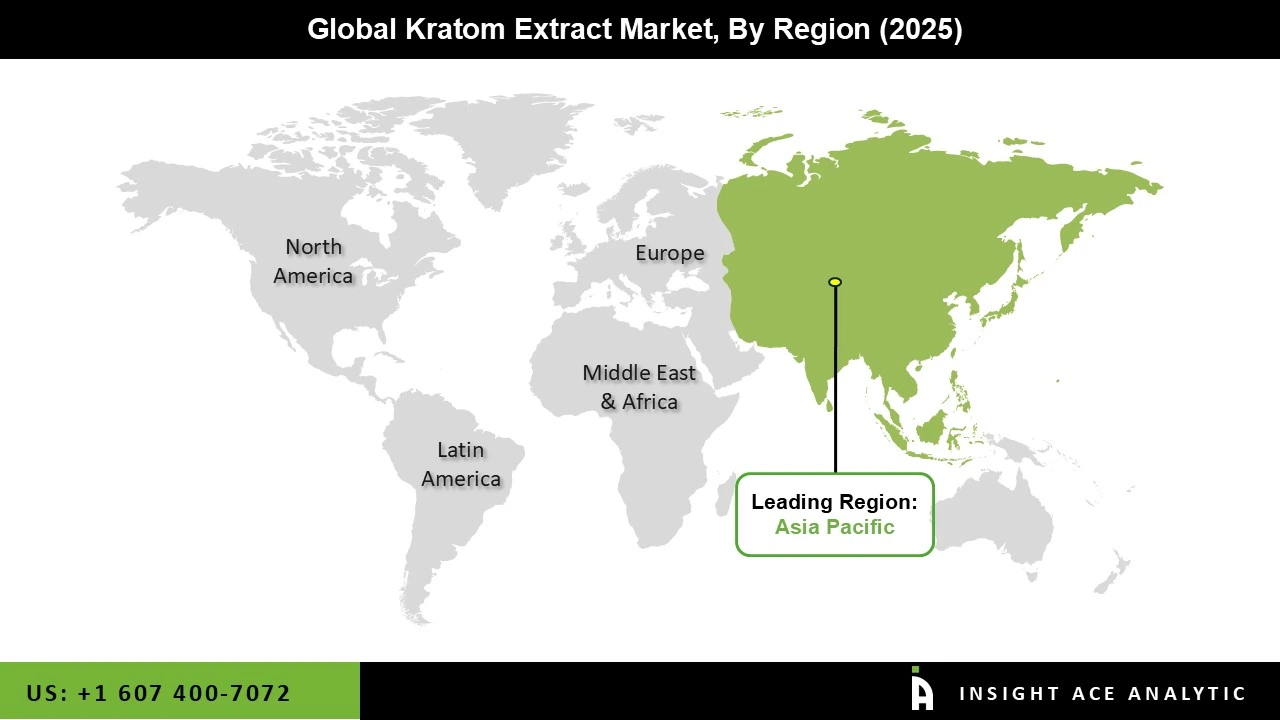
The region's emphasis on safety and quality requirements drives the kratom extract market expansion even further. The main participant in this market is the United States. Additionally, a variety of well-known brands and up-and-coming businesses are fighting for market dominance in a field that is changing quickly.
Key Development
- September 2023: "Rogue Elephant," an improved kratom powder containing 2% mitragynine by adding 45% extract, was introduced by Kats Botanicals in September 2023. The product, which comes in a 50-count capsule style with 2.4 g dosages, satisfies demand from seasoned consumers looking for increased strength and consistent dosage.
- August 2023: MIT45 strengthened its distribution network by forming a strategic alliance with a top health and wellness retail chain. Through this partnership, MIT45's premium kratom extract positioning inside popular wellness channels is strengthened, boosting customer trust and brand awareness.The collaboration is anticipated to increase market reach, particularly among customers looking for dependable and convenient health-focused channels.
- June 2023: Happy Hippo unveiled K-Dips, the first kratom-infused pouches made for covert, mobile use. K-Dips, which are made with kratom extract and come in flavors like Wintergreen and Blue Razzle, show a trend toward different delivery methods.
Kratom Extract Market Report Scope :
| Report Attribute | Specifications |
| Market size value in 2025 | USD 227.1 Mn |
| Revenue forecast in 2034 | USD 646.4 Mn |
| Growth Rate CAGR | CAGR of 12.3% from 2025 to 2034 |
| Quantitative Units | Representation of revenue in US$ Bn and CAGR from 2025 to 2034 |
| Historic Year | 2021 to 2023 |
| Forecast Year | 2025-2034 |
| Report Coverage | The forecast of revenue, the position of the company, the competitive market structure, growth prospects, and trends |
| Segments Covered | Form, Strain Type, Distribution Channel, and By Region |
| Regional Scope | North America; Europe; Asia Pacific; Latin America; Middle East & Africa |
| Country Scope | U.S.; Canada; U.K.; Germany; China; India; Japan; Brazil; Mexico; The UK; France; Italy; Spain; China; Japan; India; South Korea; Southeast Asia; South Korea; Southeast Asia |
| Competitive Landscape | MIT45, VivaZen, Kratomade, Kats Botanicals, Super Speciosa, Kr8om, DBZ Enterprises (K-Chill, Kryptic), Kraken Kratom, and Happy Hippo. |
| Customization Scope | Free customization report with the procurement of the report, Modifications to the regional and segment scope. Geographic competitive landscape. |
| Pricing and Available Payment Methods | Explore pricing alternatives that are customized to your particular study requirements. |
Segmentation of Kratom Extract Market:
Kratom Extract Market by Form-
- Extracts
- Tinctures
- Powder
- Capsules
- Others
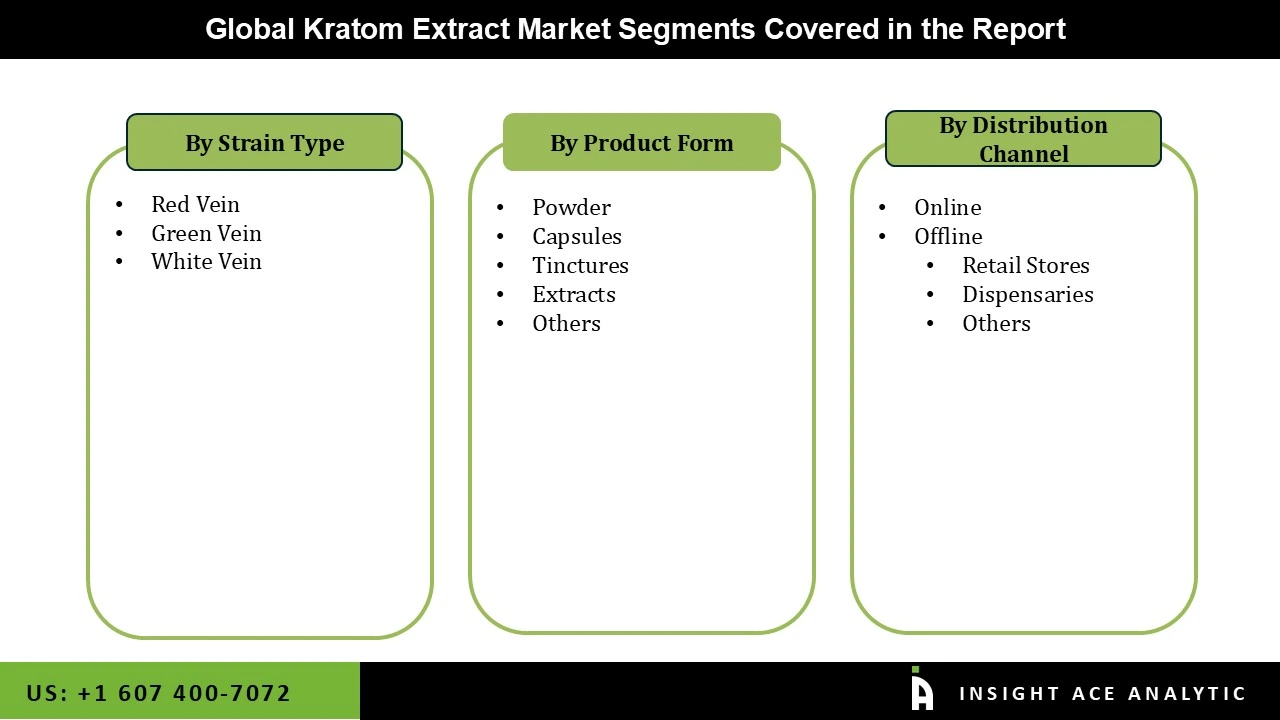
Kratom Extract Market by Strain Type-
- Green Vein
- Red Vein
- White Vein
Kratom Extract Market by Distribution Channel-
- Online
- Offline
- Retail Stores
- Dispensaries
- Others
Kratom Extract Market by Region-
- North America-
- The US
- Canada
- Europe-
- Germany
- The UK
- France
- Italy
- Spain
- Rest of Europe
- Asia-Pacific-
- China
- Japan
- India
- South Korea
- South East Asia
- Rest of Asia Pacific
- Latin America-
- Brazil
- Argentina
- Mexico
- Rest of Latin America
- Middle East & Africa-
- GCC Countries
- South Africa
- Rest of Middle East and Africa
Research Design and Approach
This study employed a multi-step, mixed-method research approach that integrates:
- Secondary research
- Primary research
- Data triangulation
- Hybrid top-down and bottom-up modelling
- Forecasting and scenario analysis
This approach ensures a balanced and validated understanding of both macro- and micro-level market factors influencing the market.
Secondary Research
Secondary research for this study involved the collection, review, and analysis of publicly available and paid data sources to build the initial fact base, understand historical market behaviour, identify data gaps, and refine the hypotheses for primary research.
Sources Consulted
Secondary data for the market study was gathered from multiple credible sources, including:
- Government databases, regulatory bodies, and public institutions
- International organizations (WHO, OECD, IMF, World Bank, etc.)
- Commercial and paid databases
- Industry associations, trade publications, and technical journals
- Company annual reports, investor presentations, press releases, and SEC filings
- Academic research papers, patents, and scientific literature
- Previous market research publications and syndicated reports
These sources were used to compile historical data, market volumes/prices, industry trends, technological developments, and competitive insights.

Primary Research
Primary research was conducted to validate secondary data, understand real-time market dynamics, capture price points and adoption trends, and verify the assumptions used in the market modelling.
Stakeholders Interviewed
Primary interviews for this study involved:
- Manufacturers and suppliers in the market value chain
- Distributors, channel partners, and integrators
- End-users / customers (e.g., hospitals, labs, enterprises, consumers, etc., depending on the market)
- Industry experts, technology specialists, consultants, and regulatory professionals
- Senior executives (CEOs, CTOs, VPs, Directors) and product managers
Interview Process
Interviews were conducted via:
- Structured and semi-structured questionnaires
- Telephonic and video interactions
- Email correspondences
- Expert consultation sessions
Primary insights were incorporated into demand modelling, pricing analysis, technology evaluation, and market share estimation.
Data Processing, Normalization, and Validation
All collected data were processed and normalized to ensure consistency and comparability across regions and time frames.
The data validation process included:
- Standardization of units (currency conversions, volume units, inflation adjustments)
- Cross-verification of data points across multiple secondary sources
- Normalization of inconsistent datasets
- Identification and resolution of data gaps
- Outlier detection and removal through algorithmic and manual checks
- Plausibility and coherence checks across segments and geographies
This ensured that the dataset used for modelling was clean, robust, and reliable.
Market Size Estimation and Data Triangulation
Bottom-Up Approach
The bottom-up approach involved aggregating segment-level data, such as:
- Company revenues
- Product-level sales
- Installed base/usage volumes
- Adoption and penetration rates
- Pricing analysis
This method was primarily used when detailed micro-level market data were available.

Top-Down Approach
The top-down approach used macro-level indicators:
- Parent market benchmarks
- Global/regional industry trends
- Economic indicators (GDP, demographics, spending patterns)
- Penetration and usage ratios
This approach was used for segments where granular data were limited or inconsistent.
Hybrid Triangulation Approach
To ensure accuracy, a triangulated hybrid model was used. This included:
- Reconciling top-down and bottom-up estimates
- Cross-checking revenues, volumes, and pricing assumptions
- Incorporating expert insights to validate segment splits and adoption rates
This multi-angle validation yielded the final market size.
Forecasting Framework and Scenario Modelling
Market forecasts were developed using a combination of time-series modelling, adoption curve analysis, and driver-based forecasting tools.
Forecasting Methods
- Time-series modelling
- S-curve and diffusion models (for emerging technologies)
- Driver-based forecasting (GDP, disposable income, adoption rates, regulatory changes)
- Price elasticity models
- Market maturity and lifecycle-based projections
Scenario Analysis
Given inherent uncertainties, three scenarios were constructed:
- Base-Case Scenario: Expected trajectory under current conditions
- Optimistic Scenario: High adoption, favourable regulation, strong economic tailwinds
- Conservative Scenario: Slow adoption, regulatory delays, economic constraints
Sensitivity testing was conducted on key variables, including pricing, demand elasticity, and regional adoption.
Request Customization
Add countries, segments, company profiles, or extend forecast — free 10% customization with purchase.
Customize This Report →Enquire Before Buying
Speak with our analyst team about scope, methodology, pricing, or deliverable formats.
Enquire Now →Frequently Asked Questions
Kratom Extract Market Size is valued at USD 227.1 Mn in 2025 and is predicted to reach USD 646.4 Mn by the year 2034.
Kratom Extract Market is expected to grow at a 12.3% CAGR during the forecast period for 2025 to 2034.
MIT45, VivaZen, Kratomade, Kats Botanicals, Super Speciosa, Kr8om, DBZ Enterprises (K-Chill, Kryptic), Kraken Kratom, and Happy Hippo.
Form, Strain Type, Distribution Channel, and Region are the key segments of the Kratom Extract Market.
North America region is leading the Kratom Extract Market.