Hepatitis B Therapeutics Market Size, Share and Forecast 2026 to 2035
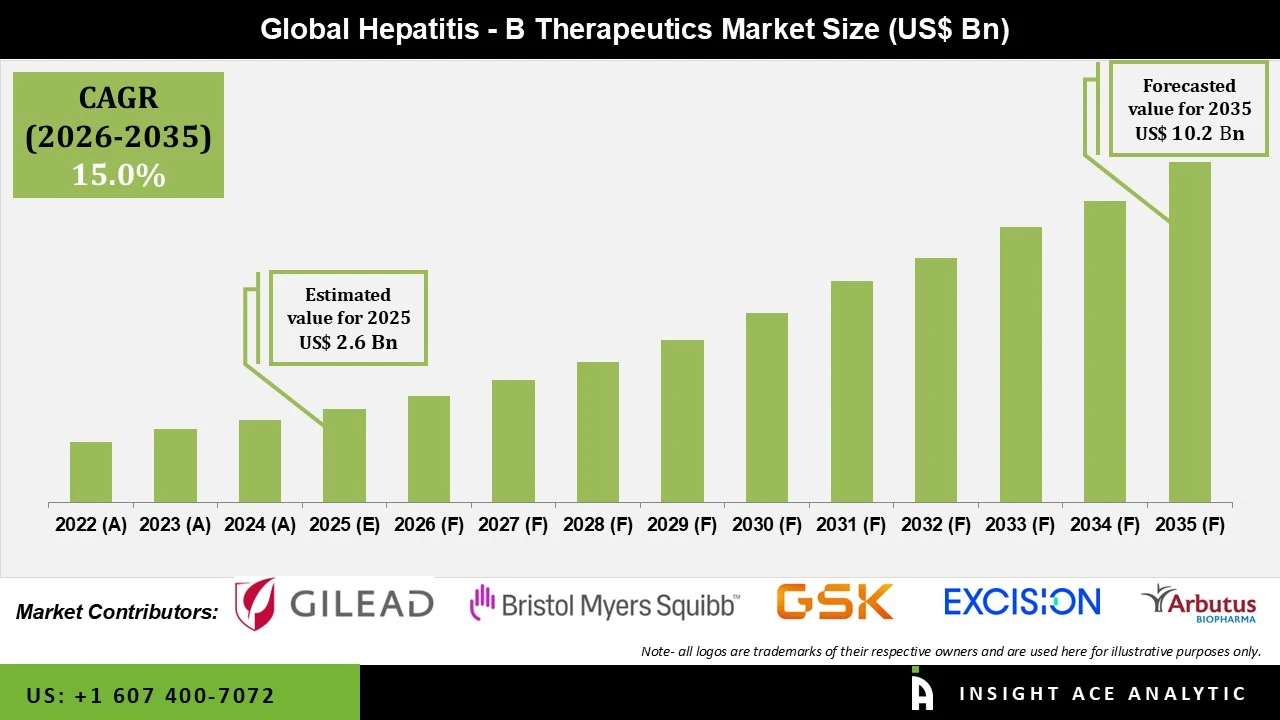
Hepatitis B Therapeutics Market Size is valued at USD 2.6 Bn in 2025 and is predicted to reach USD 10.2 Bn by the year 2035 at a 15.0% CAGR during the forecast period for 2026 to 2035.
Hepatitis B Therapeutics Market Size, Share & Trends Analysis Distribution by Product Type (Anti-Viral Drugs, Lamivudine, Fascornet, Adefovir, Entecavir, Famciclovir, Acyclovir, Telbivudine, Hepatitis B vaccine, and Tenofovir), Distribution Channel (Hospitals Pharmacies, Clinics, Pharmacies and Drug Stores), and Segment Forecasts, 2026 to 2035
Hepatitis B is a viral infection that results in liver inflammation. Although it may start mildly, it can occasionally become a chronic illness that lasts for a long time. The persistent inflammation can cause serious liver damage, such as cirrhosis and liver failure, if treatment is not received. A family of medications known as hepatitis B therapeutics is used to treat hepatitis B infections caused by the hepatitis B virus. A range of treatment modalities for both acute and chronic illnesses brought on by the hepatitis B virus (HBV) are referred to as hepatitis B therapeutics. The hepatitis B therapeutics market has grown significantly due to the development of antiviral treatments, increased awareness, and the rising incidence of chronic hepatitis B worldwide.
The growth of the hepatitis B therapeutics market is mostly driven by the expansion of hepatitis B screening programs. A greater number of patients are being treated thanks to routine testing and government-led awareness campaigns that increase early diagnosis. Since hepatitis B necessitates long-term antiviral therapy, increased identification directly results in ongoing treatment need. The therapy initiation, adherence, and continuity are being further encouraged in both developed and emerging healthcare systems by improved access to medical facilities, reimbursement support, and standardized treatment recommendations. Additionally, the continued government initiatives, immunization programs, and growing public and private sector investments in healthcare all contribute to the hepatitis B therapeutics market's growth.
In addition, the hepatitis B therapeutics market offers significant opportunities due to the expanding pipeline of innovative antiviral and immune-based treatments. The treatment options are expanding, and patient outcomes are improving due to advances in RNA-based therapies, capsid assembly modulators, and combination therapy. In the hepatitis B therapeutics market, this move toward next-generation treatments promotes market differentiation, enhances patient adherence, and opens new opportunities for long-term growth. However, the hepatitis B therapeutics market is constrained by several factors. The accessibility may be hampered by the high treatment costs of novel medicines, particularly in underdeveloped areas with limited healthcare resources. Moreover, underdiagnosis and undertreatment of Hepatitis B can result from a lack of knowledge and education, which would hinder the hepatitis B therapeutics market expansion.
Competitive Landscape
Which are the Leading Players in Hepatitis B Therapeutics Market?
• Bristol-Myers Squibb Company
• Gilead Sciences, Inc.
• Excision BioTherapeutics, Inc.
• GSK plc
• Arbutus Biopharma, Inc.
• Aligos Therapeutics
• Assembly Biosciences
• Barinthus Biotherapeutics
Market Dynamics
Driver
Rising Prevalence of Hepatitis B Infections
The hepatitis B therapeutics market is driven primarily by the rise in hepatitis B infections worldwide. The World Health Organization (WHO) estimated that 254 million people had chronic hepatitis B in 2022, with 1.2 million new infections per year, and that 1.1 million people died from the disease. A strong therapeutic response is required to control the disease and stop its spread because of its high prevalence. Additionally, there is a greater need for efficient therapies as people become more aware of hepatitis B and the health hazards it poses, such as liver cirrhosis and hepatocellular cancer. The expanding market for hepatitis B therapeutics has also been aided by initiatives taken by international health organizations to improve diagnostic rates and connect affected people to care. Furthermore, the market's growth is supported by increased emphasis on monitoring and controlling infections, as well as developments in antiviral medicines.
Restrain/Challenge
Growing Drug Resistance and Side Effects
The development of the hepatitis B therapeutics market is being impeded by the serious problems associated with managing hepatitis B, including drug resistance and side effects. These problems may result in fewer therapy options, decreased patient adherence, and treatment failure, all of which could hinder the growth of the hepatitis B therapeutics market. Additionally, long-term usage of antiviral medications, such as nucleoside analogs (NA) like entecavir and tenofovir, might result in the growth of drug-resistant HBV strains, which reduces the effectiveness of these treatments and calls for the creation of substitute medicines. For instance, long-term usage of lamivudine, one of the first antiviral medications used to treat HBV, led to widespread resistance. Moreover, the treatment regimens can be complicated by drug-resistant strains of HBV, which can result in less-than-ideal treatment responses. Tenofovir alafenamide (Vemlidy) from Gilead Sciences was developed to address safety concerns regarding bone and kidney health.
Anti-Viral Drugs Segment is Expected to Drive the Hepatitis B Therapeutics Market
The anti-viral drugs category held the largest share in the Hepatitis B Therapeutics market in 2024 driven by the vital role antiviral treatments play in preventing viral replication, slowing the course of the illness, and minimizing the risk of consequences, including cirrhosis and hepatocellular cancer. The availability of several medication classes that have proven to be highly effective in reducing viral load is helping the segment and improving long-term patient outcomes. Additionally, ongoing studies to improve drug safety and resistance profiles are bolstering the use of antiviral medications as the mainstay of Hepatitis B treatment. Furthermore, patients' dependence on tried-and-true therapy regimens and doctors' increasing preference for established treatment protocols are strengthening market leadership.
Hospitals Pharmacies Segment is Growing at the Highest Rate in the Hepatitis B Therapeutics Market
In 2024, the hospitals pharmacies category dominated the Hepatitis B Therapeutics market, offering patients a wide range of therapeutic options. Hospital pharmacies are preferred for their dependability in dispensing hepatitis B medicines because they have access to a variety of medical professionals and specialists. Additionally, they offer a high degree of trust and expert advice, which is essential for handling complex treatment plans that patients may encounter. Patients are guaranteed access to comprehensive treatment options and support through their affiliation with healthcare professionals. Furthermore, the growing number of hospital pharmacies offering hepatitis B treatments in emerging nations is expected to create considerable opportunities for the market.
Why North America Led the Hepatitis B Therapeutics Market?
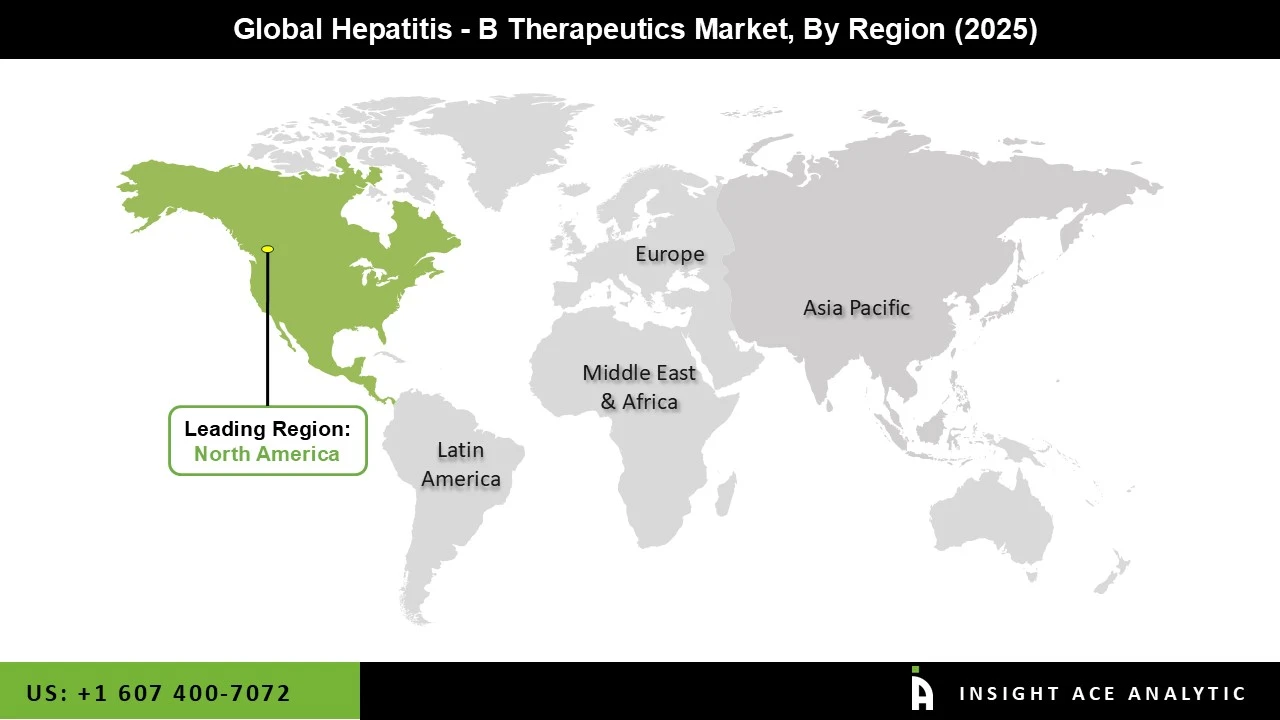
The hepatitis B therapeutics market was dominated by North America region in 2025 fueled by the increasing incidence of hepatitis B and the availability of cutting-edge medical facilities for efficient diagnosis and treatment of infectious diseases. Additionally, an increasing number of initiatives to promote early detection and treatment of this viral illness are expected. For instance, on World Hepatitis Day in July 2024, Canada's Chief Public Health Officer emphasized the significance of immunization, diagnosis, and appropriate treatment to eradicate viral hepatitis and prevent serious problems linked to the disease's progression. These initiatives increase the rate of diagnosis and demand for therapeutic medications, driving the expansion of the hepatitis B therapeutics market in the area. In addition, the presence of major market participants with cutting-edge R&D facilities to introduce innovative hepatitis B therapeutic solutions is expected to accelerate the expansion of the regional market.
Key Development
• November 2025: In order to promote long-term suppression and wider treatment accessibility in markets, Bristol-Myers Squibb's BARACLUDE (entecavir) therapy was recently marketed with updated product labeling that reflected its availability as an oral formulation approved for chronic hepatitis B treatment in adults and pediatric patients aged 2+.
• October 2024: For TQL-1055, a saponin-based adjuvant to improve hepatitis B vaccine candidates CLB-405 and CLB-505, ClearB Therapeutics obtained a license from Adjuvance Technologies. ClearB Therapeutics is getting closer to developing a successful hepatitis B therapeutic through this collaboration.
• February 2024: Bepirovirsen from GSK plc was given priority treatment designation by the U.S. FDA for chronic hepatitis B, hastening the drug's development. The medication has advanced to phase 3 clinical trials to assess its effectiveness, which could make it a crucial treatment option and give patients worldwide new hope.
Hepatitis B Therapeutics Market Report Scope:
| Report Attribute | Specifications |
| Market size value in 2025 | USD 2.6 Bn |
| Revenue forecast in 2035 | USD 10.2 Bn |
| Growth Rate CAGR | CAGR of 15.0% from 2026 to 2035 |
| Quantitative Units | Representation of revenue in US$ Bn and CAGR from 2026 to 2035 |
| Historic Year | 2022 to 2025 |
| Forecast Year | 2026-2035 |
| Report Coverage | The forecast of revenue, the position of the company, the competitive market structure, growth prospects, and trends |
| Segments Covered | By Product Type, Distribution Channel, and Region |
| Regional Scope | North America; Europe; Asia Pacific; Latin America; Middle East & Africa |
| Country Scope | U.S.; Canada; U.K.; Germany; China; India; Japan; Brazil; Mexico; The UK; France; Italy; Spain; China; Japan; India; South Korea; Southeast Asia; South Korea; Southeast Asia |
| Competitive Landscape | Bristol-Myers Squibb Company, Gilead Sciences, Inc., Excision BioTherapeutics, Inc., GSK plc, Arbutus Biopharma, Inc., Aligos Therapeutics, Assembly Biosciences, and Barinthus Biotherapeutics. |
| Customization Scope | Free customization report with the procurement of the report, Modifications to the regional and segment scope. Geographic competitive landscape. |
| Pricing and Available Payment Methods | Explore pricing alternatives that are customized to your particular study requirements. |
Hepatitis B Therapeutics Market Segmentation:
Hepatitis B Therapeutics Market by Product Type-
• Anti-Viral Drugs
• Lamivudine
• Fascornet
• Adefovir
• Entecavir
• Famciclovir
• Acyclovir
• Telbivudine
• Hepatitis B vaccine
• Tenofovir
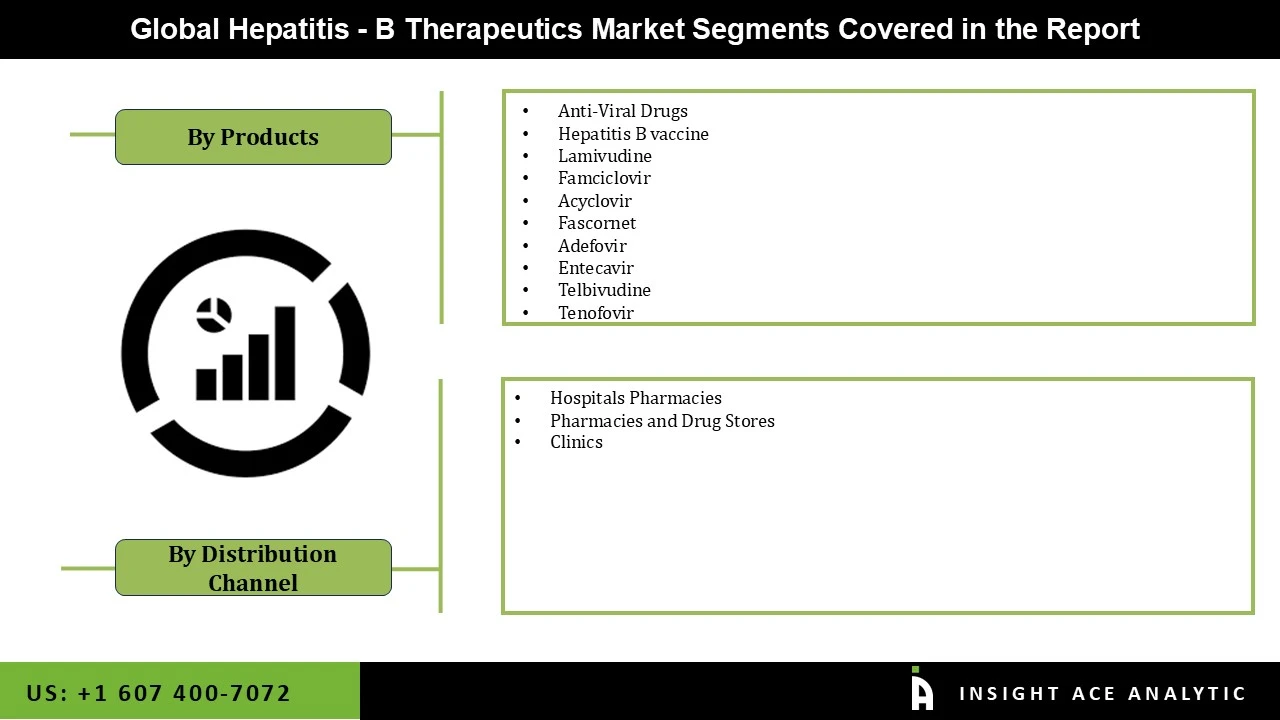
Hepatitis B Therapeutics Market by Distribution Channel-
• Hospitals Pharmacies
• Clinics
• Pharmacies and Drug Stores
Hepatitis B Therapeutics Market by Region-
North America-
• The US
• Canada
Europe-
• Germany
• The UK
• France
• Italy
• Spain
• Rest of Europe
Asia-Pacific-
• China
• Japan
• India
• South Korea
• South East Asia
• Rest of Asia Pacific
Latin America-
• Brazil
• Argentina
• Rest of Latin America
Middle East & Africa-
• GCC Countries
• South Africa
• Rest of Middle East and Africa
Research Design and Approach
This study employed a multi-step, mixed-method research approach that integrates:
- Secondary research
- Primary research
- Data triangulation
- Hybrid top-down and bottom-up modelling
- Forecasting and scenario analysis
This approach ensures a balanced and validated understanding of both macro- and micro-level market factors influencing the market.
Secondary Research
Secondary research for this study involved the collection, review, and analysis of publicly available and paid data sources to build the initial fact base, understand historical market behaviour, identify data gaps, and refine the hypotheses for primary research.
Sources Consulted
Secondary data for the market study was gathered from multiple credible sources, including:
- Government databases, regulatory bodies, and public institutions
- International organizations (WHO, OECD, IMF, World Bank, etc.)
- Commercial and paid databases
- Industry associations, trade publications, and technical journals
- Company annual reports, investor presentations, press releases, and SEC filings
- Academic research papers, patents, and scientific literature
- Previous market research publications and syndicated reports
These sources were used to compile historical data, market volumes/prices, industry trends, technological developments, and competitive insights.

Primary Research
Primary research was conducted to validate secondary data, understand real-time market dynamics, capture price points and adoption trends, and verify the assumptions used in the market modelling.
Stakeholders Interviewed
Primary interviews for this study involved:
- Manufacturers and suppliers in the market value chain
- Distributors, channel partners, and integrators
- End-users / customers (e.g., hospitals, labs, enterprises, consumers, etc., depending on the market)
- Industry experts, technology specialists, consultants, and regulatory professionals
- Senior executives (CEOs, CTOs, VPs, Directors) and product managers
Interview Process
Interviews were conducted via:
- Structured and semi-structured questionnaires
- Telephonic and video interactions
- Email correspondences
- Expert consultation sessions
Primary insights were incorporated into demand modelling, pricing analysis, technology evaluation, and market share estimation.
Data Processing, Normalization, and Validation
All collected data were processed and normalized to ensure consistency and comparability across regions and time frames.
The data validation process included:
- Standardization of units (currency conversions, volume units, inflation adjustments)
- Cross-verification of data points across multiple secondary sources
- Normalization of inconsistent datasets
- Identification and resolution of data gaps
- Outlier detection and removal through algorithmic and manual checks
- Plausibility and coherence checks across segments and geographies
This ensured that the dataset used for modelling was clean, robust, and reliable.
Market Size Estimation and Data Triangulation
Bottom-Up Approach
The bottom-up approach involved aggregating segment-level data, such as:
- Company revenues
- Product-level sales
- Installed base/usage volumes
- Adoption and penetration rates
- Pricing analysis
This method was primarily used when detailed micro-level market data were available.

Top-Down Approach
The top-down approach used macro-level indicators:
- Parent market benchmarks
- Global/regional industry trends
- Economic indicators (GDP, demographics, spending patterns)
- Penetration and usage ratios
This approach was used for segments where granular data were limited or inconsistent.
Hybrid Triangulation Approach
To ensure accuracy, a triangulated hybrid model was used. This included:
- Reconciling top-down and bottom-up estimates
- Cross-checking revenues, volumes, and pricing assumptions
- Incorporating expert insights to validate segment splits and adoption rates
This multi-angle validation yielded the final market size.
Forecasting Framework and Scenario Modelling
Market forecasts were developed using a combination of time-series modelling, adoption curve analysis, and driver-based forecasting tools.
Forecasting Methods
- Time-series modelling
- S-curve and diffusion models (for emerging technologies)
- Driver-based forecasting (GDP, disposable income, adoption rates, regulatory changes)
- Price elasticity models
- Market maturity and lifecycle-based projections
Scenario Analysis
Given inherent uncertainties, three scenarios were constructed:
- Base-Case Scenario: Expected trajectory under current conditions
- Optimistic Scenario: High adoption, favourable regulation, strong economic tailwinds
- Conservative Scenario: Slow adoption, regulatory delays, economic constraints
Sensitivity testing was conducted on key variables, including pricing, demand elasticity, and regional adoption.
Request Customization
Add countries, segments, company profiles, or extend forecast — free 10% customization with purchase.
Customize This Report →Enquire Before Buying
Speak with our analyst team about scope, methodology, pricing, or deliverable formats.
Enquire Now →Frequently Asked Questions
Hepatitis B Therapeutics Market Size is valued at USD 2.6 Bn in 2025 and is predicted to reach USD 10.2 Bn by the year 2035
Hepatitis B Therapeutics Market is expected to grow at a 15.0% CAGR during the forecast period for 2026 to 2035.
Bristol-Myers Squibb Company, Gilead Sciences, Inc., Excision BioTherapeutics, Inc., GSK plc, Arbutus Biopharma, Inc., Aligos Therapeutics, Assembly Biosciences, and Barinthus Biotherapeutics.
By Product Type, Distribution Channel, and Region are the key segments of the Hepatitis B Therapeutics Market.
North America region is leading the Hepatitis B Therapeutics Market.