Alpha-gal Syndrome Allergy Market Size, Trend, Revenue Report 2026 to 2035
What is Alpha-gal Syndrome Allergy Market Size?
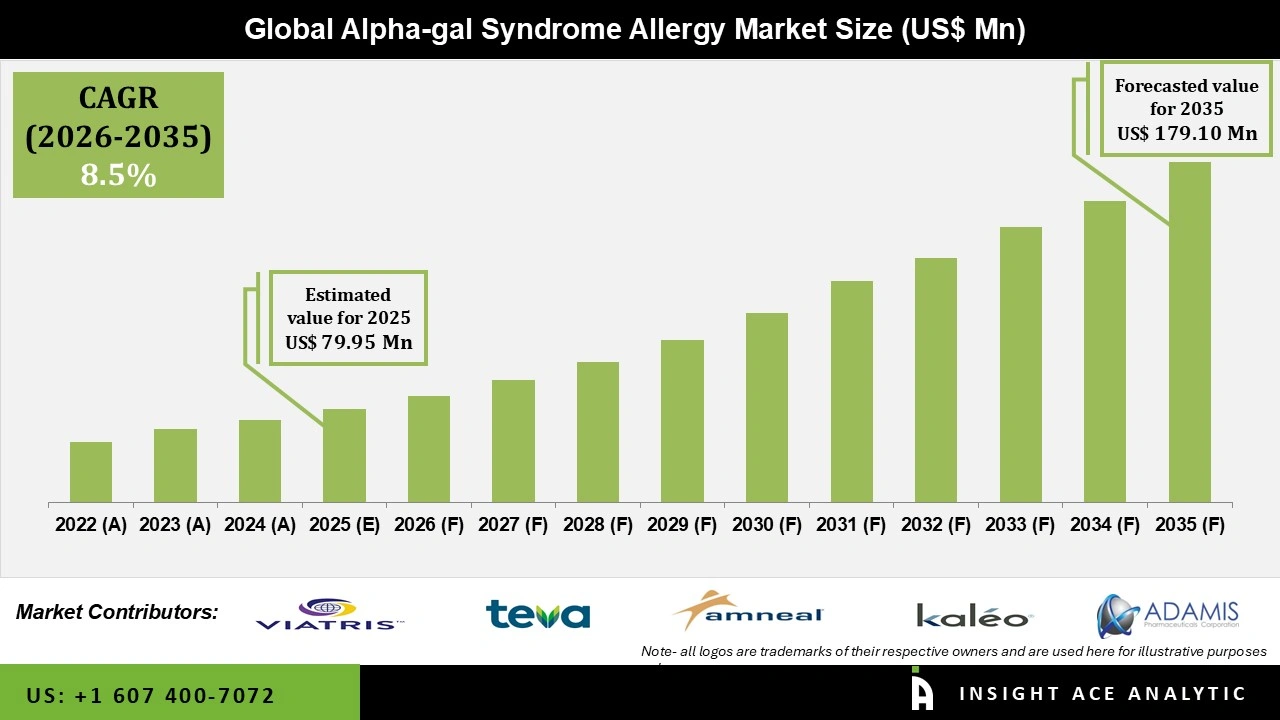
Global Alpha-gal Syndrome Allergy Market Size is valued at USD 79.95 Mn in 2025 and is predicted to reach USD 179.10 Mn by the year 2035 at a 8.5% CAGR during the forecast period for 2026 to 2035.
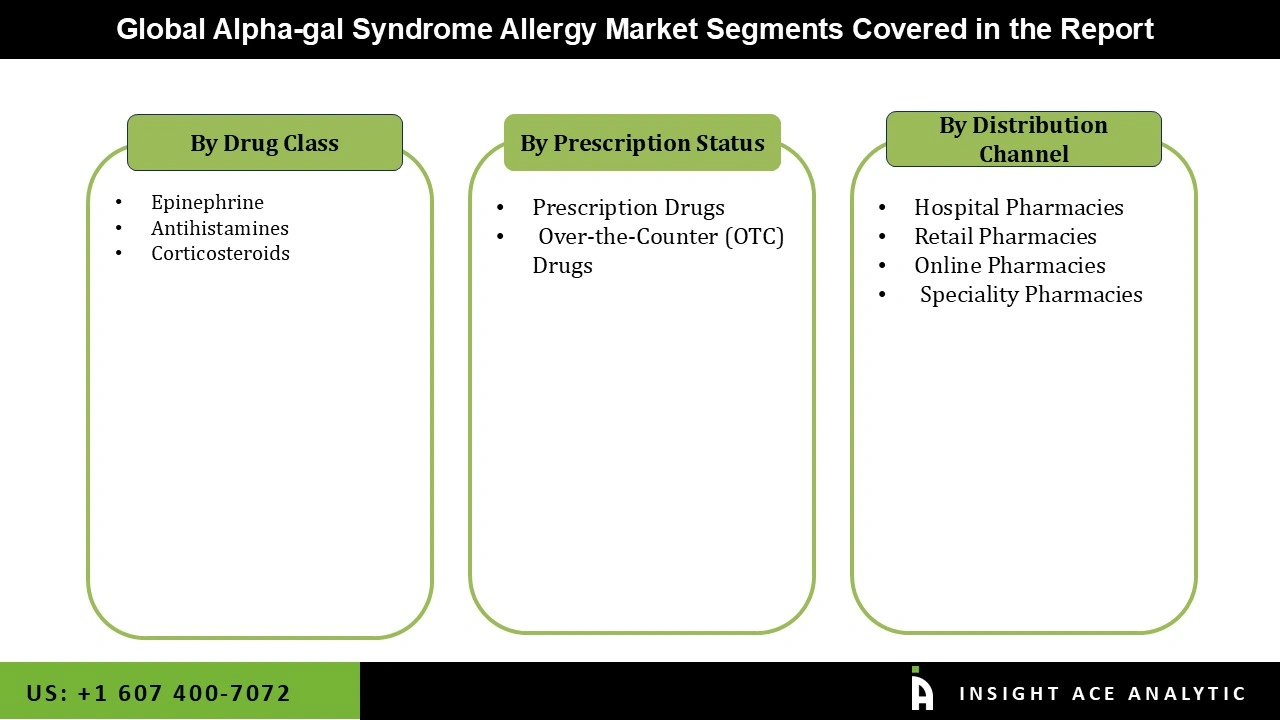
Alpha-gal Syndrome Allergy Market Size, Share & Trends Analysis Distribution by Drug Class (Epinephrine, Corticosteroids, and Antihistamines), Prescription Status (Prescription Drugs and Over the Counter (OTC) Drugs), Distribution Channel (Hospital Pharmacies, Online Pharmacies, Retail Pharmacies, and Specialty Pharmacies), and Segment Forecasts, 2026 to 2035
Alpha-gal Syndrome Allergy Market Key Takeaways:
|
A rare food allergy known as alpha-gal syndrome occurs when a person develops an allergy to the sugar molecule galactose-α-1,3-galactose (alpha-gal), which is present in the meat of mammals such as cattle, hog, lamb, and deer. The disorder is most frequently brought on by tick bites, especially those from the Lone Star Tick, which can result in the production of antibodies by the immune system against the alpha-gal molecule. Alpha-gal syndrome symptoms, which can include hives, itching, stomach pain, nausea, diarrhea, swelling, breathing difficulties, or even severe reactions like anaphylaxis, usually manifest three to six hours after consuming red meat, in contrast to most food allergies that elicit instant reactions. The Alpha-gal syndrome allergy market is expanding as a result of the condition's rising prevalence and awareness, especially in the fields of diagnostics, allergy treatment, and specialized medical services.
The frequency of Alpha-gal syndrome has grown in a number of areas as tick populations grow as a result of climate change and shifting ecological conditions. This has raised the need for precise diagnostic testing, allergy remedies, and patient monitoring services. The growth of the Alpha-gal syndrome allergy market is further supported by the investments made by research organizations and healthcare providers in better diagnostic technologies, such as blood tests that identify IgE antibodies specific to alpha-gal. Early diagnosis and treatment adoption are also being aided by increased reporting of tick-borne illnesses and growing public awareness of rare food sensitivities. Furthermore, improvements in immunological research, tick-borne disease surveillance, and allergy diagnostics are anticipated to drive changes in the Alpha-gal syndrome allergy market.
In order to manage severe allergic reactions such as anaphylaxis, pharmaceutical businesses and research organizations are increasingly concentrating on creating better treatment techniques, such as antihistamines, epinephrine auto-injectors, and possible immunotherapies. The escalating healthcare costs and easier access to allergy testing services will probably encourage the market growth, especially in areas where tick populations are expanding. Additionally, the Alpha-gal syndrome allergy market is seeing an increase in research into preventive strategies, such as better public health awareness campaigns and tick control initiatives. However, the absence of established treatment procedures, misinterpretation resulting from delayed allergic reactions, and low knowledge among healthcare providers in some areas may hinder the expansion of the Alpha-gal syndrome allergy market.
Competitive Landscape
Which are the Leading Players in Alpha-gal Syndrome Allergy Market?
- Pfizer
- Viatris
- ALK-Abello A/S
- Adamis Pharmaceuticals
- Bausch Health Companies
- Antares Pharma
- kaleo, Inc.
- ARS Pharmaceuticals
- Teva Pharmaceutical Industries Ltd.
- Amneal Pharmaceuticals
Market Dynamics
Driver
Rising Incidence of Tick-borne Allergies
The rising incidence of tick-borne allergies across the globe is one of the main factors propelling the alpha-gal syndrome allergy market. The illness is mainly brought on by tick bites, especially those from the Lone Star tick, which induces the body to create antibodies against the carbohydrate galactose-α-1,3-galactose (alpha-gal). Human exposure to tick bites has increased as a result of increased outdoor recreational activities, tick habitats being impacted by climate change, and tick populations growing. Additionally, the healthcare professionals are increasingly suggesting allergy management techniques and diagnostic testing as more cases are discovered. The detection rates of delayed allergy reactions to mammalian meat are also increasing due to increased knowledge among medical professionals and researchers. As a result, the alpha-gal syndrome allergy market is growing overall due to the growing demand for allergy diagnostics, clinical research, and patient management solutions.
Restrain/Challenge
Insufficient Knowledge and Diagnostic Difficulties
The lack of knowledge and difficulty in recognizing Alpha-gal Syndrome allergies are major barriers to the market. Alpha-gal syndrome symptoms typically manifest several hours after consuming red meat or animal products, in contrast to conventional food allergies that cause instantaneous reactions. Patients and medical experts frequently find it challenging to link the allergic reaction to a particular food source due to this delayed onset. In addition, abdominal pain, hives, and gastrointestinal discomfort are examples of symptoms that are frequently confused with other digestive or allergic conditions. Furthermore, diagnostic testing for alpha-gal-specific antibodies is not commonly available in a number of areas. These difficulties may result in underdiagnosis and postponed treatment, which limits the uptake of diagnostic services and impedes the alpha-gal syndrome allergy market's overall growth.
Epinephrine Segment is Expected to Drive the Alpha-gal Syndrome Allergy Market
The epinephrine category held the largest share in the Alpha-gal Syndrome Allergy market in 2025 driven by its vital role in controlling acute, potentially fatal responses associated with Alpha-gal syndrome. When exposed to goods derived from mammals, patients with this syndrome may experience delayed anaphylaxis; therefore, prompt administration of epinephrine is crucial. In areas with high tick exposure, the first-line treatment for systemic allergic responses has always been epinephrine, according to clinical recommendations, which has maintained a high prescription demand. Additionally, the epinephrine segment development prospects were reinforced by increased awareness, increased auto injector availability, better device designs, generic competition, and supportive reimbursement frameworks.
Retail Pharmacies Segment is Growing at the Highest Rate in the Alpha-gal Syndrome Allergy Market
In 2025, the retail pharmacies category dominated the Alpha-gal Syndrome Allergy market due to their widespread availability and crucial function in giving individuals with Alpha-gal syndrome their drugs. For prompt drug availability and refills, patients who need prescription epinephrine auto-injectors, antihistamines, and supportive therapy often depend on retail pharmacy networks. High patient traffic and repeat business are encouraged by the convenience of local pharmacy locations, extended business hours, and pharmacist counseling services. Moreover, consumer preference is increased when prescription and over-the-counter allergy treatments are available through a single distribution channel.
Why North America Led the Alpha-gal Syndrome Allergy Market?
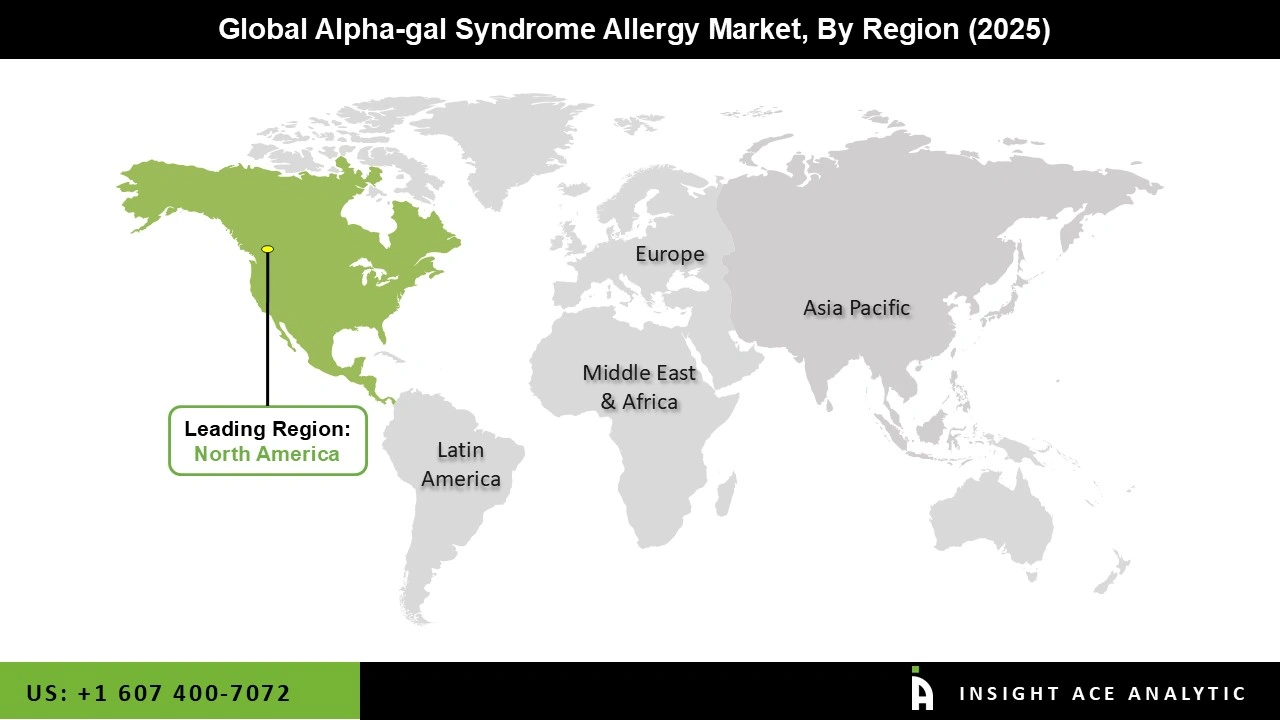
The Alpha-gal Syndrome Allergy market was dominated by North America region in 2025 because individuals and medical professionals are becoming more conscious of tick-borne allergies and delayed allergic reactions to red meat. The number of cases that have been diagnosed in the US has increased due in large part to the growing frequency of tick bites, especially those caused by the Lone Star tick.
Additionally, the alpha-gal syndrome allergy market is growing due to advances in allergy detection technology, better diagnostic testing, and increased studies on tick-borne illnesses. The existence of specialized allergy clinics, a well-established healthcare infrastructure, and ongoing research projects by academic institutions and medical facilities further speed up the condition's identification and treatment, promoting regional expansion.
Alpha-gal Syndrome Allergy Market Report Scope:
| Report Attribute | Specifications |
| Market size value in 2025 | USD 79.95 Bn |
| Revenue forecast in 2035 | USD 179.10 Bn |
| Growth Rate CAGR | CAGR of 8.5% from 2026 to 2035 |
| Quantitative Units | Representation of revenue in US$ Bn and CAGR from 2026 to 2035 |
| Historic Year | 2022 to 2025 |
| Forecast Year | 2026 to 2035 |
| Report Coverage | The forecast of revenue, the position of the company, the competitive market structure, growth prospects, and trends |
| Segments Covered | Drug Class, Prescription Status, Distribution Channel, and Region |
| Regional Scope | North America; Europe; Asia Pacific; Latin America; Middle East & Africa |
| Country Scope | U.S.; Canada; U.K.; Germany; China; India; Japan; Brazil; Mexico; The UK; France; Italy; Spain; China; Japan; India; South Korea; Southeast Asia; South Korea; Southeast Asia |
| Competitive Landscape | Pfizer, Viatris, ALK-Abello A/S, Adamis Pharmaceuticals, Bausch Health Companies, Antares Pharma, kaleo, Inc., ARS Pharmaceuticals, Teva Pharmaceutical Industries Ltd., and Amneal Pharmaceuticals |
| Customization Scope | Free customization report with the procurement of the report, Modifications to the regional and segment scope. Geographic competitive landscape. |
| Pricing and Available Payment Methods | Explore pricing alternatives that are customized to your particular study requirements. |
Segmentation of Alpha-gal Syndrome Allergy Market:
Alpha-gal Syndrome Allergy Market, by Drug Class-
- Epinephrine
- Corticosteroids
- Antihistamines
Alpha-gal Syndrome Allergy Market, by Prescription Status-
- Prescription Drugs
- Over the Counter (OTC) Drugs
Alpha-gal Syndrome Allergy Market, by Distribution Channel-
- Hospital Pharmacies
- Online Pharmacies
- Retail Pharmacies
- Specialty Pharmacies
Alpha-gal Syndrome Allergy Market, by Region-
- North America-
- The US
- Canada
- Europe-
- Germany
- The UK
- France
- Italy
- Spain
- Rest of Europe
- Asia-Pacific-
- China
- Japan
- India
- South Korea
- South East Asia
- Rest of Asia Pacific
- Latin America-
- Brazil
- Argentina
- Mexico
- Rest of Latin America
- Middle East & Africa-
- GCC Countries
- South Africa
- Rest of Middle East and Africa
Research Design and Approach
This study employed a multi-step, mixed-method research approach that integrates:
- Secondary research
- Primary research
- Data triangulation
- Hybrid top-down and bottom-up modelling
- Forecasting and scenario analysis
This approach ensures a balanced and validated understanding of both macro- and micro-level market factors influencing the market.
Secondary Research
Secondary research for this study involved the collection, review, and analysis of publicly available and paid data sources to build the initial fact base, understand historical market behaviour, identify data gaps, and refine the hypotheses for primary research.
Sources Consulted
Secondary data for the market study was gathered from multiple credible sources, including:
- Government databases, regulatory bodies, and public institutions
- International organizations (WHO, OECD, IMF, World Bank, etc.)
- Commercial and paid databases
- Industry associations, trade publications, and technical journals
- Company annual reports, investor presentations, press releases, and SEC filings
- Academic research papers, patents, and scientific literature
- Previous market research publications and syndicated reports
These sources were used to compile historical data, market volumes/prices, industry trends, technological developments, and competitive insights.

Primary Research
Primary research was conducted to validate secondary data, understand real-time market dynamics, capture price points and adoption trends, and verify the assumptions used in the market modelling.
Stakeholders Interviewed
Primary interviews for this study involved:
- Manufacturers and suppliers in the market value chain
- Distributors, channel partners, and integrators
- End-users / customers (e.g., hospitals, labs, enterprises, consumers, etc., depending on the market)
- Industry experts, technology specialists, consultants, and regulatory professionals
- Senior executives (CEOs, CTOs, VPs, Directors) and product managers
Interview Process
Interviews were conducted via:
- Structured and semi-structured questionnaires
- Telephonic and video interactions
- Email correspondences
- Expert consultation sessions
Primary insights were incorporated into demand modelling, pricing analysis, technology evaluation, and market share estimation.
Data Processing, Normalization, and Validation
All collected data were processed and normalized to ensure consistency and comparability across regions and time frames.
The data validation process included:
- Standardization of units (currency conversions, volume units, inflation adjustments)
- Cross-verification of data points across multiple secondary sources
- Normalization of inconsistent datasets
- Identification and resolution of data gaps
- Outlier detection and removal through algorithmic and manual checks
- Plausibility and coherence checks across segments and geographies
This ensured that the dataset used for modelling was clean, robust, and reliable.
Market Size Estimation and Data Triangulation
Bottom-Up Approach
The bottom-up approach involved aggregating segment-level data, such as:
- Company revenues
- Product-level sales
- Installed base/usage volumes
- Adoption and penetration rates
- Pricing analysis
This method was primarily used when detailed micro-level market data were available.

Top-Down Approach
The top-down approach used macro-level indicators:
- Parent market benchmarks
- Global/regional industry trends
- Economic indicators (GDP, demographics, spending patterns)
- Penetration and usage ratios
This approach was used for segments where granular data were limited or inconsistent.
Hybrid Triangulation Approach
To ensure accuracy, a triangulated hybrid model was used. This included:
- Reconciling top-down and bottom-up estimates
- Cross-checking revenues, volumes, and pricing assumptions
- Incorporating expert insights to validate segment splits and adoption rates
This multi-angle validation yielded the final market size.
Forecasting Framework and Scenario Modelling
Market forecasts were developed using a combination of time-series modelling, adoption curve analysis, and driver-based forecasting tools.
Forecasting Methods
- Time-series modelling
- S-curve and diffusion models (for emerging technologies)
- Driver-based forecasting (GDP, disposable income, adoption rates, regulatory changes)
- Price elasticity models
- Market maturity and lifecycle-based projections
Scenario Analysis
Given inherent uncertainties, three scenarios were constructed:
- Base-Case Scenario: Expected trajectory under current conditions
- Optimistic Scenario: High adoption, favourable regulation, strong economic tailwinds
- Conservative Scenario: Slow adoption, regulatory delays, economic constraints
Sensitivity testing was conducted on key variables, including pricing, demand elasticity, and regional adoption.
Request Customization
Add countries, segments, company profiles, or extend forecast — free 10% customization with purchase.
Customize This Report →Enquire Before Buying
Speak with our analyst team about scope, methodology, pricing, or deliverable formats.
Enquire Now →Frequently Asked Questions
Alpha-gal Syndrome Allergy Market Size is valued at USD 79.95 Mn in 2025 and is predicted to reach USD 179.10 Mn by the year 2035
The Alpha-gal Syndrome Allergy Market is expected to grow at a 8.5% CAGR during the forecast period for 2026 to 2035
Pfizer, Viatris, ALK-Abello A/S, Adamis Pharmaceuticals, Bausch Health Companies, Antares Pharma, kaleo, Inc., ARS Pharmaceuticals, Teva Pharmaceutical Industries Ltd., Amneal Pharmaceuticals and Others
Alpha-gal Syndrome Allergy Market is segmented into Drug Class, Prescription Status, Distribution Channel, Region and other.
North America region is leading the Alpha-gal Syndrome Allergy Market.