Human Biospecimen Market Size, Share and Trends Analysis 2026 to 2035
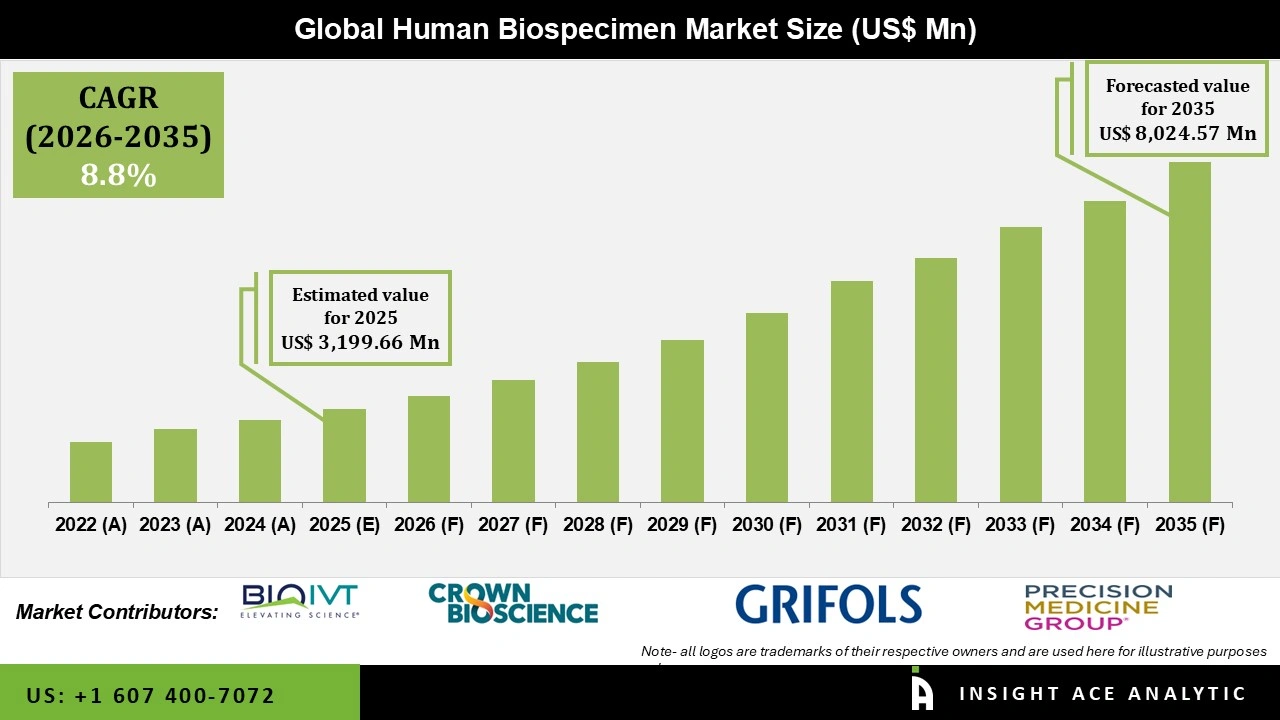
Global Human Biospecimen Market Size is valued at USD 3,199.66 Mn in 2025 and is predicted to reach USD 8,024.57 Mn by the year 2035 at a 8.8% CAGR during the forecast period for 2026 to 2035.
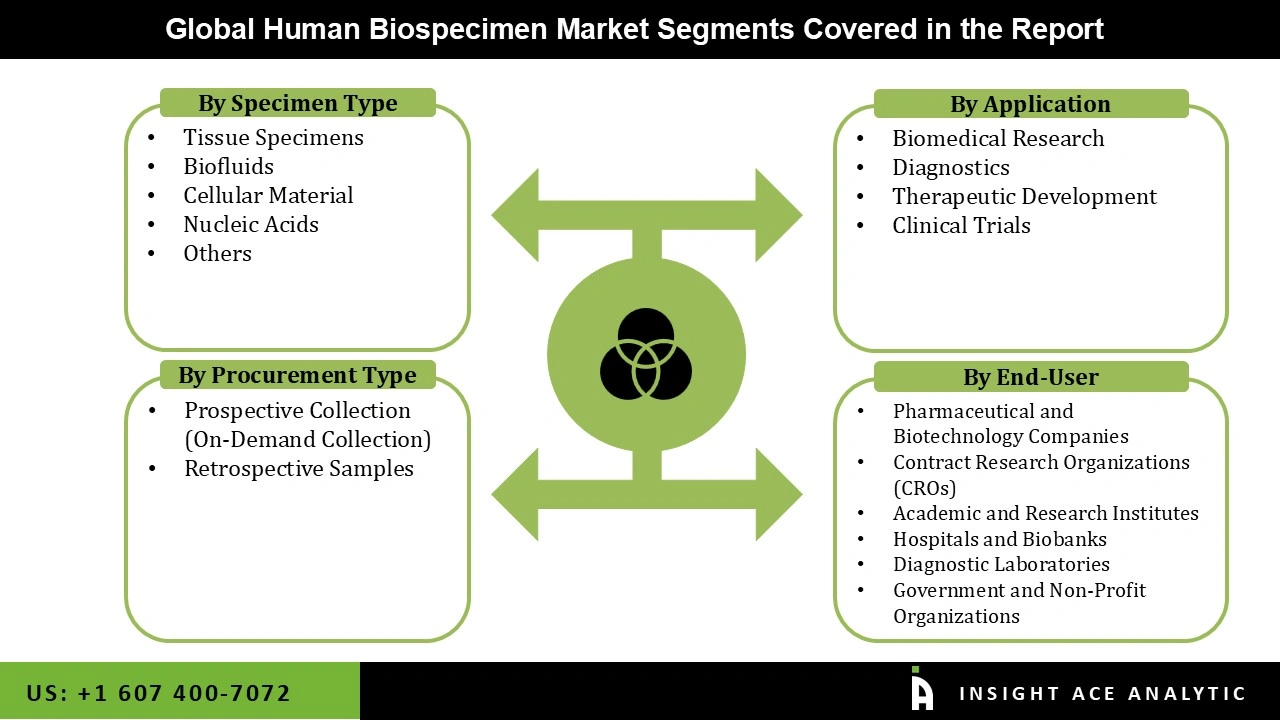
Human Biospecimen Market Size, Share & Trends Analysis Distribution by Specimen Type (Tissue Specimens, Nucleic Acids, Cellular Material, Biofluids, and Others), Procurement Type (Retrospective Samples and Prospective Collection (On-Demand Collection)), End-user (Hospitals and Biobanks, Pharmaceutical and Biotechnology Companies, Diagnostic Laboratories, Contract Research Organizations (CROs), Government and Non-Profit Organizations, Academic and Research Institutes), and Segment Forecasts, 2026 to 2035
A human biospecimen is any biological sample collected from the human body for medical research, disease diagnosis, drug development, or clinical studies. These samples include blood, plasma, serum, urine, cerebrospinal fluid (CSF), tissues (fresh-frozen or FFPE), primary cells, peripheral blood mononuclear cells (PBMCs), leukopaks, DNA, RNA, proteins, and other biofluids or cellular products. Biospecimens are carefully collected from both healthy donors and patients, processed, stored, and annotated under strict ethical, legal, and quality standards (informed consent, IRB approval, chain-of-custody, and pre-analytical controls). They are preserved in biobanks and supplied to pharmaceutical companies, contract research organizations (CROs), academic researchers, and diagnostic developers to
support cancer research, biomarker discovery, precision medicine, and therapeutic development.
The need for early disease diagnosis and medication discovery is one of the many factors driving the growth of the worldwide human biospecimen market. The necessity for new clinical trials and the creation of cutting-edge treatments has grown due to the rising incidence of chronic and uncommon diseases. The comprehensive biospecimens are also necessary to support early disease diagnosis and the creation of novel medications and treatment options due to the growing demand for tailored medications. Furthermore, there are many chances for creative solutions in the developing industry due to the growing need for high-quality biospecimens in drug development. By offering a substantial understanding of illness mechanisms and the creation of innovative medications and therapies, the human biospecimen is essential to research and development.
In addition, the need for superior biospecimens is being driven by an increased emphasis on furthering research and development. This demand is further increased by developments in biobanking technologies. Thus, driving the human biospecimen market expansion over the forecast period. However, the market for human biospecimens has significant growth constraints despite promising growth opportunities. The adoption may be hampered by the high expenses of biospecimen collection, processing, storage, and quality control, especially for smaller research institutions. Research reproducibility and reliability may also be impacted by problems with sample heterogeneity, irregular quality, and the absence of standard operating procedures. The logistical difficulties of maintaining cold-chain storage and transportation, as well as the scarcity of uncommon disease samples, also impede the human biospecimen market expansion.
Competitive Landscape
Which are the Leading Players in Human Biospecimen Market?
- BioIVT LLC.
- Crown Bioscience
- iProcess Global Research Inc.
- ABS Bio, Inc.
- Precision Medicine Group, LLC
- REPROCELL Inc.
- LifeNet Health LifeSciences
- Logical Biological
- Europa Biosite
- Discovery Life Sciences
- Boca Biolistics, LLC
- ProteoGenex
- US Biolab Corporation, Inc.
- Bay Biosciences
- Grifols, S.A.
Market Dynamics
Driver
Growing Emphasis on Personalized Medicine
One of the main factors driving the human biospecimen market is the growing emphasis on personalized medicine. The goal of personalized medicine is to make healthcare decisions and treatments unique to each patient based on their genetic, environmental, and lifestyle characteristics. This method requires a variety of human biospecimens to be available for both clinical and research purposes. For instance, the Personalized Medication Coalition estimates that by 2025, the personalized medication business will be worth USD 2 trillion. The creation of tailored medicines needs high-quality human biospecimens, which are the main drivers of this expansion in genomics and biotechnology. The human biospecimen demand is anticipated to increase in tandem with the growing adoption of customized medicine initiatives by pharmaceutical companies and healthcare providers.
Restrain/Challenge
High Operational and Infrastructure Costs
The high cost of sample collection, processing, storage, and ongoing maintenance is a major barrier to the market's expansion for human biospecimens. A substantial investment in specialized infrastructure, including ultra-low temperature freezers, liquid nitrogen storage systems, quality control labs, and sophisticated information management systems, is necessary for the establishment and operation of biobanks. Operational costs are further increased by qualified staff, ongoing monitoring, and strict adherence to quality standards. Budgetary constraints may prevent smaller research institutes and up-and-coming biopharmaceutical firms from obtaining or creating high-quality biospecimen resources.
Tissue Specimens Segment is Expected to Drive the Human Biospecimen Market
The tissue specimens category held the largest share in the Human Biospecimen market in 2025 driven by the growing need for superior solid tissue samples in translational, genomics, and cancer research. Particularly for cancer and uncommon disorders, tissue specimens are essential for comprehending disease mechanisms, finding biomarkers, and confirming therapeutic targets. The significance of well-preserved tissue samples with thorough clinical annotation has increased due to the growing use of cutting-edge methods like immunohistochemistry, spatial transcriptomics, and next-generation sequencing. Additionally, the need for a variety of tissue types that represent various disease stages and patient populations has increased due to the growth of precision medicine and personalized therapeutics.
Pharmaceutical and Biotechnology Companies Segment is Growing at the Highest Rate in the Human Biospecimen Market
In 2025, the Pharmaceutical and Biotechnology Companies category dominated the Human Biospecimen market fueled by the growing need for superior human samples to aid in precision medicine research, medication discovery, and biomarker identification. These businesses are depending more and more on well-characterized biospecimens to validate therapeutic targets, better understand disease mechanisms, and evaluate therapy response early in the development process. The need for diverse and clinically annotated samples is further accelerated by the increased attention being paid to oncology, rare disorders, and tailored medicines. Furthermore, increasing R&D expenditures, strategic partnerships with biobanks, and developments in molecular and genomic technologies are improving the use of biospecimens in preclinical and clinical pipelines.
Why North America Led the Human Biospecimen Market?
The Human Biospecimen market was dominated by North America region in 2025 because of its well-established biobanking networks, advanced healthcare infrastructure, and thriving biopharmaceutical industry. The gathering and preservation of human biospecimens for study are subject to strict laws and moral standards.
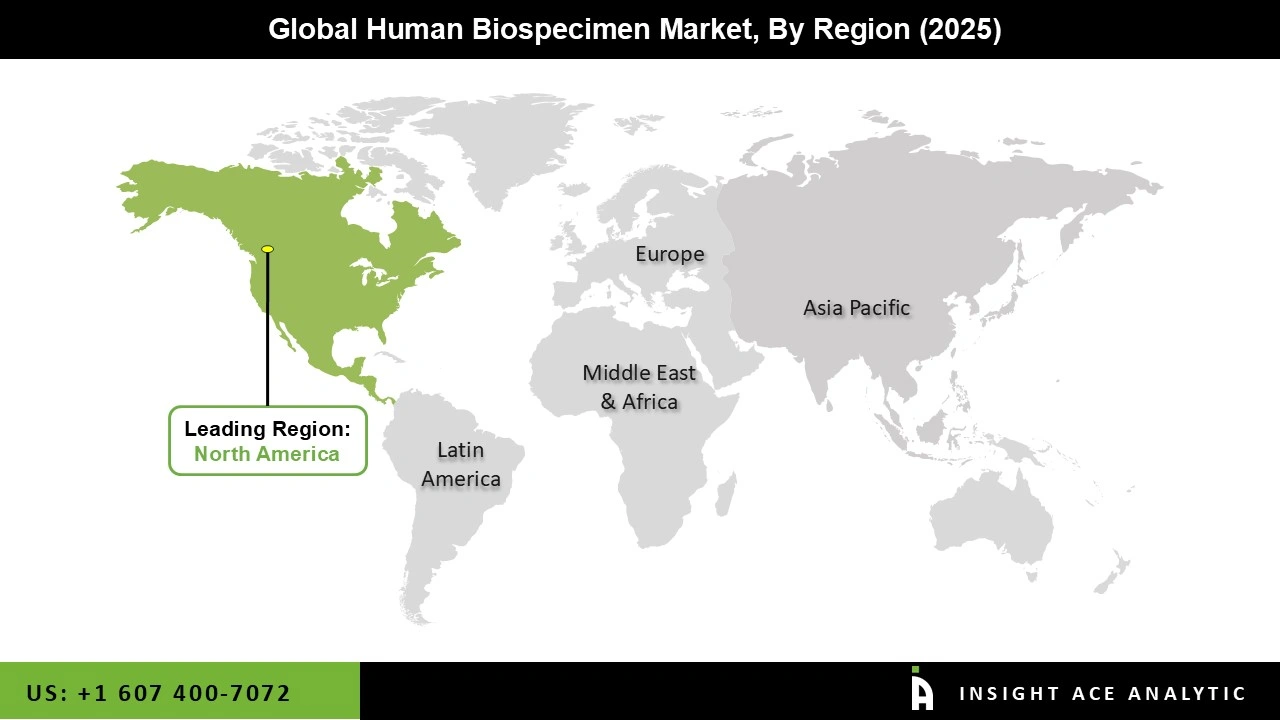
The expansion of the market in the area was supported by increased investments in biomedical research. Additionally, this region's market domination is fueled by its well-established infrastructure, which includes funding for innovative research and clearly defined laws. The market is dominated by the United States. There are significant market participants in the nation. Furthermore, the nation has a strong research infrastructure that fosters market expansion.
Key Development
August 2025: Logical Biological and Bcell Design collaborated to create manufactured disease state plasma materials that mimic natural human biospecimens, guaranteeing high-performing and sustainable substitutes for research and diagnostic uses.
Human Biospecimen Market Report Scope :
| Report Attribute | Specifications |
| Market size value in 2025 | USD 3,199.66 Mn |
| Revenue forecast in 2035 | USD 8,024.57 Mn |
| Growth Rate CAGR | CAGR of 8.8% from 2026 to 2035 |
| Quantitative Units | Representation of revenue in US$ Bn and CAGR from 2026 to 2035 |
| Historic Year | 2022 to 2025 |
| Forecast Year | 2026-2035 |
| Report Coverage | The forecast of revenue, the position of the company, the competitive market structure, growth prospects, and trends |
| Segments Covered | Specimen Type, Procurement Type, Application, End-user, and By Region |
| Regional Scope | North America; Europe; Asia Pacific; Latin America; Middle East & Africa |
| Country Scope | U.S.; Canada; U.K.; Germany; China; India; Japan; Brazil; Mexico; The UK; France; Italy; Spain; China; Japan; India; South Korea; Southeast Asia; South Korea; Southeast Asia |
| Competitive Landscape | BioIVT LLC., Crown Bioscience, iProcess Global Research Inc., ABS Bio, Inc., Precision Medicine Group, LLC, REPROCELL Inc., LifeNet Health LifeSciences, Logical Biological, Europa Biosite, Discovery Life Sciences, Boca Biolistics, LLC, ProteoGenex, US Biolab Corporation, Inc., Bay Biosciences, and Grifols, S.A. |
| Customization Scope | Free customization report with the procurement of the report, Modifications to the regional and segment scope. Geographic competitive landscape. |
| Pricing and Available Payment Methods | Explore pricing alternatives that are customized to your particular study requirements. |
Segmentation of Human Biospecimen Market :
Human Biospecimen Market, by Specimen Type-
- Tissue Specimens
- Nucleic Acids
- Cellular Material
- Biofluids
- Others
Human Biospecimen Market, by Procurement Type-
- Retrospective Samples
- Prospective Collection (On-Demand Collection)
- Human Biospecimen Market by Application-
- Biomedical Research
- Clinical Trials
- Diagnostics
- Therapeutic Development
Human Biospecimen Market, by End-user-
- Hospitals and Biobanks
- Pharmaceutical and Biotechnology Companies
- Diagnostic Laboratories
- Contract Research Organizations (CROs)
- Government and Non-Profit Organizations
- Academic and Research Institutes
Human Biospecimen Market, By Region-
- North America-
- The US
- Canada
- Europe-
- Germany
- The UK
- France
- Italy
- Spain
- Rest of Europe
- Asia-Pacific-
- China
- Japan
- India
- South Korea
- South East Asia
- Rest of Asia Pacific
- Latin America-
- Brazil
- Argentina
- Mexico
- Rest of Latin America
- Middle East & Africa-
- GCC Countries
- South Africa
- Rest of Middle East and Africa
Research Design and Approach
This study employed a multi-step, mixed-method research approach that integrates:
- Secondary research
- Primary research
- Data triangulation
- Hybrid top-down and bottom-up modelling
- Forecasting and scenario analysis
This approach ensures a balanced and validated understanding of both macro- and micro-level market factors influencing the market.
Secondary Research
Secondary research for this study involved the collection, review, and analysis of publicly available and paid data sources to build the initial fact base, understand historical market behaviour, identify data gaps, and refine the hypotheses for primary research.
Sources Consulted
Secondary data for the market study was gathered from multiple credible sources, including:
- Government databases, regulatory bodies, and public institutions
- International organizations (WHO, OECD, IMF, World Bank, etc.)
- Commercial and paid databases
- Industry associations, trade publications, and technical journals
- Company annual reports, investor presentations, press releases, and SEC filings
- Academic research papers, patents, and scientific literature
- Previous market research publications and syndicated reports
These sources were used to compile historical data, market volumes/prices, industry trends, technological developments, and competitive insights.

Primary Research
Primary research was conducted to validate secondary data, understand real-time market dynamics, capture price points and adoption trends, and verify the assumptions used in the market modelling.
Stakeholders Interviewed
Primary interviews for this study involved:
- Manufacturers and suppliers in the market value chain
- Distributors, channel partners, and integrators
- End-users / customers (e.g., hospitals, labs, enterprises, consumers, etc., depending on the market)
- Industry experts, technology specialists, consultants, and regulatory professionals
- Senior executives (CEOs, CTOs, VPs, Directors) and product managers
Interview Process
Interviews were conducted via:
- Structured and semi-structured questionnaires
- Telephonic and video interactions
- Email correspondences
- Expert consultation sessions
Primary insights were incorporated into demand modelling, pricing analysis, technology evaluation, and market share estimation.
Data Processing, Normalization, and Validation
All collected data were processed and normalized to ensure consistency and comparability across regions and time frames.
The data validation process included:
- Standardization of units (currency conversions, volume units, inflation adjustments)
- Cross-verification of data points across multiple secondary sources
- Normalization of inconsistent datasets
- Identification and resolution of data gaps
- Outlier detection and removal through algorithmic and manual checks
- Plausibility and coherence checks across segments and geographies
This ensured that the dataset used for modelling was clean, robust, and reliable.
Market Size Estimation and Data Triangulation
Bottom-Up Approach
The bottom-up approach involved aggregating segment-level data, such as:
- Company revenues
- Product-level sales
- Installed base/usage volumes
- Adoption and penetration rates
- Pricing analysis
This method was primarily used when detailed micro-level market data were available.

Top-Down Approach
The top-down approach used macro-level indicators:
- Parent market benchmarks
- Global/regional industry trends
- Economic indicators (GDP, demographics, spending patterns)
- Penetration and usage ratios
This approach was used for segments where granular data were limited or inconsistent.
Hybrid Triangulation Approach
To ensure accuracy, a triangulated hybrid model was used. This included:
- Reconciling top-down and bottom-up estimates
- Cross-checking revenues, volumes, and pricing assumptions
- Incorporating expert insights to validate segment splits and adoption rates
This multi-angle validation yielded the final market size.
Forecasting Framework and Scenario Modelling
Market forecasts were developed using a combination of time-series modelling, adoption curve analysis, and driver-based forecasting tools.
Forecasting Methods
- Time-series modelling
- S-curve and diffusion models (for emerging technologies)
- Driver-based forecasting (GDP, disposable income, adoption rates, regulatory changes)
- Price elasticity models
- Market maturity and lifecycle-based projections
Scenario Analysis
Given inherent uncertainties, three scenarios were constructed:
- Base-Case Scenario: Expected trajectory under current conditions
- Optimistic Scenario: High adoption, favourable regulation, strong economic tailwinds
- Conservative Scenario: Slow adoption, regulatory delays, economic constraints
Sensitivity testing was conducted on key variables, including pricing, demand elasticity, and regional adoption.
Request Customization
Add countries, segments, company profiles, or extend forecast — free 10% customization with purchase.
Customize This Report →Enquire Before Buying
Speak with our analyst team about scope, methodology, pricing, or deliverable formats.
Enquire Now →Frequently Asked Questions
Human Biospecimen Market Size is valued at USD 3,199.66 Mn in 2025 and is predicted to reach USD 8,024.57 Mn by the year 2035
Human Biospecimen Market is expected to grow at a 8.8% CAGR during the forecast period for 2026 to 2035
BioIVT LLC., Crown Bioscience, iProcess Global Research Inc., ABS Bio, Inc., Precision Medicine Group, LLC, REPROCELL Inc., LifeNet Health LifeSciences, Logical Biological, Europa Biosite, Discovery Life Sciences, Boca Biolistics, LLC, ProteoGenex, US Biolab Corporation, Inc., Bay Biosciences, Grifols, S.A. and Others.
Human Biospecimen Market is segmented in Specimen Type (Tissue Specimens, Nucleic Acids, Cellular Material, Biofluids, and Others), Procurement Type (Retrospective Samples and Prospective Collection (On-Demand Collection)), End-user (Hospitals and Biobanks, Pharmaceutical and Biotechnology Companies, Diagnostic Laboratories, Contract Research Organizations (CROs), Government and Non-Profit Organizations, Academic and Research Institutes) and Other.
North America region is leading the Human Biospecimen Market.